Bridging the gaps in weather communication
Two years in, our Bridges project is changing lives – find out the latest
When Michael Kamande, a farmer in Kenya’s Tana River County, heard a weather forecast on his local radio station warning of below-average rainfall, he made a simple but important decision. Instead of planting his usual maize variety, he chose drought-tolerant seeds and planted a variety of vegetables on his farm.
Months later, despite difficult weather conditions, his harvest was better than expected.
Stories like Michael’s remind us why our project Bridges matters.
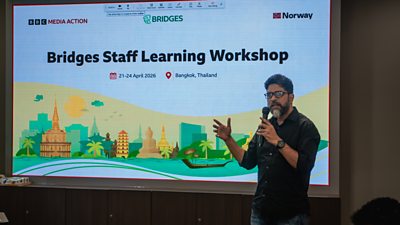
In April 2026, colleagues from Bangladesh, Nepal and Kenya gathered to reflect on what we have achieved, learn from our challenges and help us prepare for the final year of the project.
Funded by NORAD, the Bridges project aims to make weather and climate information services (WCIS) more understandable, accessible and actionable for communities most affected by climate change. Over the past two years, we have worked closely with governments, media organisations, researchers and communities to ensure that accurate and timely weather information reaches people, and helps them make better decisions
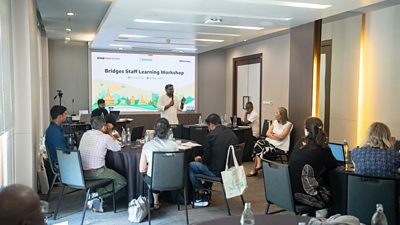
Through Bridges we have partnered with six government agencies, worked with 26 radio stations including the Nepalese state broadcaster and engaged six community-based organisations. We have trained and mentored 196 journalists and worked with 65 climate scientists. Together, they have produced nearly 1,200 pieces of climate and weather-related content, reaching nearly 7.9 million people through different media platforms.
We have remarkable examples of progress. In Nepal, weather bulletins are now available in multiple local languages, helping communities access information in ways that feel relevant and trustworthy. In Bangladesh, journalists have moved beyond reporting weather events to telling solution-focused stories that connect climate issues with health, agriculture and livelihoods. In Kenya, community radio stations, climate experts and local organisations are working together to ensure weather information reaches farmers, fishers and pastoralists in forms that they can understand and use.
But challenges remain. We are still working to reach last-mile communities more effectively, collect meaningful audience feedback, and ensure long-term sustainability. And we need to keep ensuring that climate information is communicated in simple language, through the trusted voices and channels that people already use in their daily lives.
Our goals for our third year are to strengthen our partnerships, improve how we collect and work with partners to act on feedback, share our evidence of impact, and support local institutions to take ownership of the approaches we have developed together.
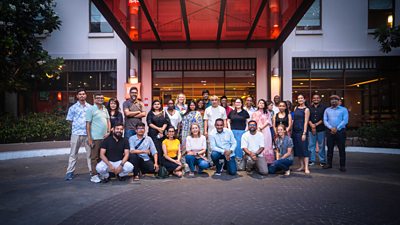
“Personally, the workshop left me energised and hopeful. Meeting colleagues face-to-face, hearing stories from the field, and witnessing the passion across our teams reinforced the importance of WCIS. Weather information on time saves lives only when people can understand and act on it,� said Khandokar Hasanul Banna, Bridges project director.
Behind each small change is a person, a family or a community making informed decisions because they received the right information at the right time. It’s the impact Bridges is striving to achieve every day.
Latest news from Bangladesh
Our projects in Bangladesh
-
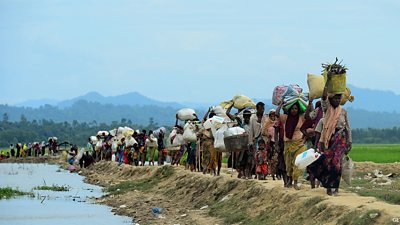
Responding to the Rohingya emergency in Bangladesh
We’re supporting local radio partners to produce a dedicated Lifeline radio programme for Rohingya people and host communities in living in Cox’s Bazar. -
Protecting independent media for effective development
We are working with media support organisations and local partners to find out how best to support public interest media in Sierra Leone, Ethiopia and Bangladesh. -
Hello I Am - challenging child marriage in Bangladesh
Watch our films with Rutgers showing how girls are breaking down barriers, in school and on the cricket pitch. -
Communication to counter the COVID-19 ‘info-demic’
Â鶹Éç Media Action launches new project in Asia to tackle the spread of mis- and dis-information around COVID-19 (coronavirus) which is as harmful as the disease itself. -
Generation Breakthrough: Using radio to encourage healthy relationships in Bangladesh
Engaging a young people with a range of social and health related topics through a weekly radio show radio Dosh Unisher Mor (Crossroads at 10 to 19). -
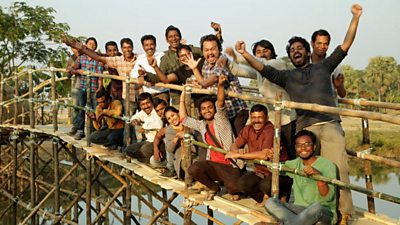
Preparing for and responding to disasters in Bangladesh
Â鶹Éç Media Action and its partners are helping the public prepare better for future disasters as well as providing timely, accurate and useful information in times of crisis. -
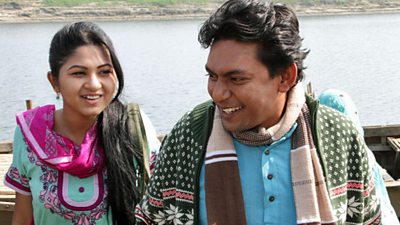
TV drama on maternal and newborn health in Bangladesh
Through a major TV drama series, a radio magazine show, public service announcements and communication skills training for community health workers. -

Debate programme Sanglap
Sanglap (Dialogue), was a political discussion TV show enabling Bangladeshis from all walks of life to question their leaders on the issues that mattered to them.
Search by Tag:
- Tagged with Bangladesh Bangladesh
- Tagged with Asia Asia
- Tagged with Climate Climate