Rubbish Recycling
How do you manage your recycling when you are visually impaired? And how squinting may have helped Leonardo da Vinci's art.
What help can you get if you struggle to recycle your rubbish? Listeners talk about the problems they have with recycling their rubbish: from knowing which bin to put the right rubbish in, to finding it again once it has been collected. We talk to Wayne Priestly from the Association for Public Service Excellence about what help visually impaired-residents can expect to receive from their local council.
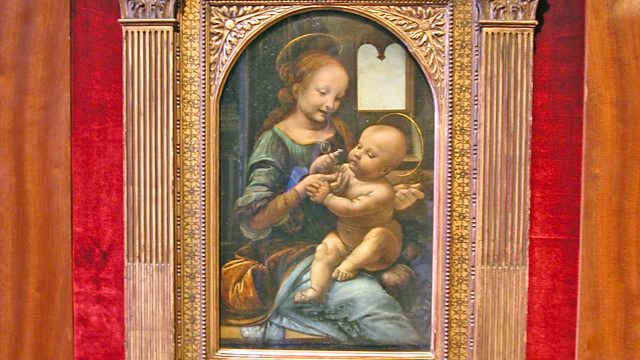
Professor Christopher Tyler from London City University believes he has found evidence artist Leonardo da Vinci had an eye condition called Strabismus 鈥� where the eyes are misaligned. He thinks this may have had an impact on the way Da Vinci represented three-dimensional art on a canvas. Ross King, biographer of Claude Monet, says Monet's cataracts impacted his work later in life.
Presenter: Peter White
Producer: Lee Kumutat
Last on

More episodes
Previous
In Touch Transcript: 30-10-2018
THE ATTACHED TRANSCRIPT WAS TYPED FROM A RECORDING AND NOT COPIED FROM AN ORIGINAL SCRIPT.听 BECAUSE OF THE RISK OF MISHEARING AND THE DIFFICULTY IN SOME CASES OF IDENTIFYING INDIVIDUAL SPEAKERS, THE 麻豆社 CANNOT VOUCH FOR ITS COMPLETE ACCURACY.
听
IN TOUCH 鈥� Rubbish Recycling
TX:听 30.10.2018听 2040-2100
PRESENTER:听 听听听听听听听 PETER WHITE
PRODUCER:听 听听听听听听听听听 LEE KUMUTAT
听
听
White
Good evening.听 Do you dread this sound [bin lorry], you know that realisation when you wake up and you hear the rolling bins and you think 鈥� oh my goodness, I鈥檝e forgotten to take it out again.听 Well, tonight, how to get the right rubbish into the right bin when you can鈥檛 see what you鈥檙e doing.听 As recycling gets more and more complex we look for some answers to what feels like a forgotten problem.听 And could the work of some artists have been enhanced by their failing sight?听 Did, for example, Leonardo Da Vinci have a squint?听 We鈥檒l find out later.
听
But first, you don鈥檛 work on In Touch for very long without realising that almost every problem has a blind friendly solution and it鈥檚 as likely as not to come from a listener.听 But initially when we began looking at the challenges of recycling we came up against an unusually blank wall.听 We were thinking about it because the new producer of the programme, Lee Kumutat, as many of you will know is herself blind, moved and discovered that she needed to solve this problem all over again about how to recycle.听 For a start, different councils always have differing approaches to what they want in which bins, indeed how many bins they give you and how they deal with people who fail to abide by their rules.听 And very few people we approached about this appeared to have given much thought to how visually impaired residents could be helped to do their bit.
听
So, before we come to solutions, how do blind and partially sighted householders cope at the moment?听 Tom Walker has been getting some answers from Liverpool and first, Birmingham.
听
Fain [phon.]
Hi, I鈥檓 Josh Fain, 29 years old, I live on my own with two small children and I work with visually impaired people.
听
Walker
Do you recycle?
听
Fain
I try to, however, due to the colour of the bins it鈥檚 difficult to understand which bits of rubbish go into which of the bins.
听
Walker
What colour are your bins, do you know?
听
Fain
The normal refuge one is a black and red colour and the other one is a dark green colour.听 However, I鈥檝e got another one, as well, which is purple, which I struggle quite a lot to do it, so I end up sometimes putting my normal refuge into the green waste bin.
听
Walker
Have you been told off by your local council for doing that?
听
Fain
The bin men have picked me up on it on a number of times, however, they鈥檙e quite understanding when I explain about my visual impairment.听 One of the biggest problems is when they introduced the bins I was not told or given any of the information, so, it was just given it to me and the form that they gave me to explain what was going in what was in paper format which obviously I couldn鈥檛 read.听
听
Walker
Do you know actually though what rubbish should go in which bin?
听
Fain
So, I鈥檓 led to believe, but this hasn鈥檛 been told explicitly by the council to me, it鈥檚 just what I鈥檝e heard of 鈥� the black bin is for my normal refuse, the blue bin 鈥� I believe 鈥� bluey purple is for plastic and glass and the greeny bin is for garden waste.听 And that鈥檚 all I know.听 I got given two plastic boxes as well 鈥� blue and red colour 鈥� never been told what they were for either, so it is very difficult to be honest.
听
Walker
What needs to be done to enable somebody like you to recycle successfully?
听
Fain
Better communication from the local authority, engaging me through the website or promoting it or sending me information in the format I want it.听 And potentially maybe doing something with the bins, consulting with blind and partially sighted people on how 鈥� what type of bin would be more helpful 鈥� different shapes potentially.
听
Walker
And what about the indications on the packaging itself, do they help you at all?
听
Fain
No, they don鈥檛, Tom, and unfortunately, I don鈥檛 live with anyone either, so I can鈥檛 get any help from those people either.
听
Walker
In an ideal world would you like to be able to recycle your rubbish?
听
Fain
Yes Tom, I would really like to recycle more, it鈥檚 not a fact of being lazy, it鈥檚 just the fact of living on my own and not having the information in the format I need, so I can鈥檛 physically do it.
听
Mitchell
So, this is where I keep my water in the fridge, like most people I guess, and that鈥檚 my water bottle which is ready to go into the recycling now because it鈥檚 empty.听 So, I tend to pile everything up by the front door here Tom.听 So, I鈥檝e got my water bottles, without the tops, and I鈥檝e got my tins and my paper, so that鈥檚 all ready to go outside now.
听
Walker
I鈥檒l follow you.
听
Mitchell
So, in Liverpool our recyclicable bins are our blue ones.听 So, I always make sure that my bins are in the same area.听 And in everything goes.听 Apart from bottle tops.
听
Hello, my name鈥檚 Ian Mitchell, I live in South Liverpool, I鈥檝e been visually impaired since birth and I have albinism, nystagmus and photosensitivity.
听
Walker
Ian, let鈥檚 talk rubbish.
听
Mitchell
Again?
听
Walker
Do you recycle?
听
Mitchell
I do my best to recycle Tom, I have to be honest, I鈥檓 not always sure I get it right but the will is always there.
听
Walker
What are the specific problems you experience?
听
Mitchell
I think the problems that I experience is really not having enough information to know what鈥檚 recyclable and what鈥檚 not.听 I do have some sight, so I鈥檓 fortunate in the fact that I can distinguish between the bins.听 In Liverpool it鈥檚 three different colours, so if you can see colours then you鈥檙e fine but if you can鈥檛 see colours then there鈥檚 no tactile differences, no size or shape difference to the bins, so you鈥檇 be a bit stuck I should imagine.
听
Walker
You do your best to recycle but I think you鈥檝e recently found you鈥檝e been getting one or two things wrong.
听
Mitchell
Yeah, I always thought that anything that was plastic was recyclable.听 So, I drink an awful lot of water, so there鈥檚 three components to bottles of water 鈥� there鈥檚 the package the water bottles come in, there鈥檚 the bottles themselves and there鈥檚 the bottle tops.听 So, I used to put all three in the bin and recently, on listening to the radio, I found out that bottle tops should not be recyclable.听 So, I know 鈥� now I don鈥檛 put the bottle tops in but the bottle goes in and now I鈥檓 not sure what I do with the packaging 鈥� does the packaging go in or do I not put the packaging in.听
听
Walker
One thing I wasn鈥檛 aware of is that there are markers on packaging and tins etc., which tell you whether they can be recycled 鈥� was that something you were ever aware of?
听
Mitchell
No, I can鈥檛 say it is, that puts another spin on it because I might be recycling other things that I shouldn鈥檛 be putting in the bin but I guess I鈥檝e got a choice, haven鈥檛 I, either try and recycle or I don鈥檛 recycle and the process after it leaves my bin I guess I have to rely on other people to determine whether I鈥檝e put the right thing in the bin or not.
听
Walker
Have you ever had any comeback from the local authority telling you that you鈥檙e getting things wrong?
听
Mitchell
Yes, I once had a sticker put on my bin telling me that I was naughty because I鈥檇 put some polystyrene in there once and they鈥檇 obviously opened the bin and seen it.听 So, I had to remove that and put it into the normal rubbish.
听
Walker
What needs to be done to make it easier for people like you to recycle properly?
听
Mitchell
More information, more accessible information should I say because I daresay the city council come back and say it鈥檚 all on their website but if you鈥檝e ever tried to sift through a government website it鈥檚 not always the easiest thing to try and find information.听 So, maybe information in leaflets or braille formats or alternative formats that actually give us the information of what we need.
听
White
Tom Walker reporting there from Liverpool and Birmingham.
听
Well the problem seems to be that there鈥檚 no consistency of approach to recycling.听 A typical reaction we got when we talked both to councils and the Chartered Institute of Waste Management was a sympathetic interest in the problem but an admission that there wasn鈥檛 any concerted policy about how to help visually impaired people.听
听
Well Wayne Priestly is principal advisor on environmental mattes at APSE 鈥� that鈥檚 the Association of Public Service Excellence 鈥� and they advise local authorities on best practice.听 And Wayne joins me in the studio.
听
You鈥檝e heard what those residents have to say and what was clear that they weren鈥檛 indifferent to the issues, you know they wanted to do it, they wanted more help so that they could recycle efficiently.听 What would you say to them, what help should local authorities be able to offer them?
听
Priestly
I would say most local authorities probably when they send out the information on recycling are not aware that people have visual impairments.听 So, the first thing people need to do is notify the local authority of that situation because otherwise they will treat everybody the same and therefore the information you get will be on paper, it鈥檒l be on your bin, which if you鈥檙e visually impaired really isn鈥檛 much use.
听
White
You see that isn鈥檛 necessarily something that somebody would want to do 鈥� visually impaired people don鈥檛 go telling everybody 鈥� they鈥檇 hope to be able to move into a place and be 鈥� I understand your point but it probably wouldn鈥檛 come naturally to people to do that.
听
Priestly
No and I appreciate that as well.听 But I think if they are struggling with that any person would get hold of the local authority 鈥� there was one instance where a gentleman there had had a sticker placed on his bin saying you鈥檝e got it wrong, that happens to everyone and usually what happens is the local authority will send a recycling officer down to offer advice.听 Now the issue here is they鈥檝e got to do that sensitively because people have got an impairment there but they need help.听 And that is the best way to get the recycling done because then they can offer that help whether it be assistance with collections, whether it be putting things on bins to make them more tactile, if you like, to understand what goes in those bins.听 And there are examples across the country of that.
听
White
Of course, I mean there is that issue of which bin is which and colour isn鈥檛 very helpful but there鈥檚 also the issue of what you鈥檙e allowed to recycle and what you aren鈥檛.听 Ian gave the example of bottles, the actual plastic cover you can do but not the bottle tops, for example.听 There鈥檚 a lot of that kind of thing isn鈥檛 there?
听
Priestly
Yea and I think the problem with that is each local authority has its own arrangements to dispose or send for treatment the waste it collects and often the processing plants are different in each authority.听 And you will get those that can handle that type of material and some that can鈥檛 and there is therefore a need to speak to the producers of these materials and find out can they make this packaging easier to recycle.
听
White
What are the chances of getting some kind of concerted policy?听 I appreciate that local authorities are all independent, they want to do things their own way but this isn鈥檛 really about doing it different ways, is it, it鈥檚 about having agreed methods of labelling, it鈥檚 about having perhaps agreed policies in terms of collection 鈥� would that be too much to ask?
听
Priestly
Well certainly, I think the government鈥檚 developing a new waste strategy which is looking at producers making materials which are far more recyclable and easier to recycle.听 And if that was the case then it would make it far easier for local authorities to collect because the waste wouldn鈥檛 be as complicated to collect and it would therefore be easier for people to know which bins to put waste in.
听
White
But my point is you鈥檝e got organisations like the LGA 鈥� the Local Government Association 鈥� and yourselves 鈥� is it beyond the wit of those organisations to have a concerted policy, at least about things like identification?
听
Priestly
No, I don鈥檛 think it鈥檚 beyond that and I think it鈥檚 something that is being looked at and particularly now that a lot of the waste that the UK 鈥� recyclable waste that the UK used to send abroad to be processed, a lot of that now has been rejected by countries like China and other South East Asian countries.听 So, therefore, the quality of recyclables has got to be better and the only way you can do that is to make it simpler to recycle.
听
White
Wayne Priestly of the Association of Public Service Excellence.听 And one little tailpiece to that 鈥� we鈥檙e hoping that this item will start conversations about this issue and the Chartered Institute for Waste Management did tell us that they were hoping to start some work on the subject with other relevant organisations.听 Let鈥檚 have your top tips for recycling please.
听
Sadly, it鈥檚 a bit late now to get some top tips on painting and sculpting from Leonardo Da Vinci but the fact is that there is a strong possibility that despite his enormous artistic talent, Leonardo, may well have been visually impaired.听 The evidence suggests that he had strabismus, that鈥檚 an eye condition where the eyes aren鈥檛 properly aligned, in other words that he had a squint.听 But that far from being a disability for an artist this might explain his rare ability to bring an impression or depth and distance to paintings on a flat canvas.听 It鈥檚 a puzzle which Christopher Tyler, who鈥檚 Professor of Optometry at London City University, has been determined to clear up.
听
Tyler
So, the kind of strabismus that he had seems to be intermittent exotropia, so the eyes are divergent but in some portraits they鈥檙e straight.听 So, this suggests the condition of intermittent exotropia in which the person can straighten their eyes if they鈥檙e very attentive but if they are inattentive or relaxed one eye will drift out.听 So, this means that two eyes are not working well together and in fact this would generate the impression of double vision, so the person would see everything double and the brain deals with this by suppressing the image from one eye.听 So, in that case they鈥檙e seeing with monocular vision.听 With monocular vision everything looks much flatter, this may be an advantage for artists because they鈥檙e trying to translate the three-dimensional world on to the flat canvas.听 On the other hand, the fact that the condition is intermittent means that people with this condition may be well aware of the sort of transition between three dimensions and two dimensions and give them an enhanced awareness of the cues, the painterly cues, that convey a three-dimensional impression on the canvas.
听
White
So, you鈥檙e saying that Leonardo Da Vinci would have known, I mean he could tell that he had this condition, that he saw things differently to other people and he was making use of this in his painting?
听
Tyler
The implication is that he was able to make use of it and it would go part way to explain why he was so exquisitely sensitive to the three dimensionality and was able to bring it out unlike other artists of the era.听
听
White
Professor Christopher Tyler.
听
Well other later famous painters may also have had this condition 鈥� Rembrandt, possible Salvador Dali.听 And this isn鈥檛 the only eye condition with which painters have struggled and sometimes enhanced their work.听
听
Ross King is the biographer of Claude Monet who began losing his sight in later life.
听
King
By 1912 when he was about 72 years old he made the discovery then, as he put it, he was blind, in fact he wasn鈥檛 actually blind but he was suffering from cataracts.听 And in fact, he was soon after diagnosed as being legally blind in his right eye.听 And apparently, he had only 10% vision in his left eye.听 He was encouraged to have an operation or operations on each of his eyes at that point, so that he could see.听 But I think quite wisely he decided that he would not, for the reason that there were all sorts of precedents by 1912 of people who鈥檇 had cataract operations that were unsuccessful.听 What鈥檚 interesting about his situation is he resumed painting and began painting on a very ambitious scale by 1914 and made no complaints about his eyesight until about 1920-21 when clearly his eyesight, such as it was at that point, was getting worse.
听
White
In that period that you鈥檝e just talked about is there a difference in the way in which he painted than he had before?
听
King
After 1914, when he resumes painting, after this diagnosis of cataracts two years earlier, is that he has supersized his canvases, he begins working not on canvases that are the size that he鈥檇 worked on for decades previously, i.e. three or four feet wide by three or four high or smaller, he begins working on ones for the most part that are over six feet high and that are anything from 12 to 14 to 20 feet wide.听 And he鈥檚 also using much thicker brushes, brushes with a much greater width鈥�
听
White
Magnification.
听
King
That鈥檚 right.
听
White
But did it change the way 鈥� you say it magnified it but he does say, doesn鈥檛 he, towards the end, in that period you鈥檙e talking about where his eyesight was getting very poor, he says 鈥� my poor eyesight makes me see everything in a complete fog, it鈥檚 very beautiful all the same and I鈥檇 love to have been able to convey this.
听
King
That鈥檚 right.听 Well there is no question that at certain points, especially 1923-24, when he went into a very black depression, understandably, because of his poor eyesight, he was affected by it at that point, and he virtually stopped painting simply because he could not convey it.听 The problem seems to have been colour, his problems with colour and also with judging what he painted because he 鈥� after his operations, his eye doctor told him, for an ordinary man I have restored the sight but for Claude Monet鈥� who was know through a sad irony at this point as having had the best vision in the history of art鈥� said, for Claude Monet I cannot restore his eyesight.
听
White
Ross King, biographer of Claude Monet.
听
And that鈥檚 it for today.听 You can call our actionline for 24 hours after tonight鈥檚 programme, the number 0800 044 044.听 Or you can email intouch@bbc.co.uk or click on contact us on our website.听 And that鈥檚 where you can also download tonight鈥檚 In Touch and other previous editions.听 From me, Peter White, producer Lee Kumutat and the team, goodbye.
听
Broadcast
- Tue 30 Oct 2018 20:40麻豆社 Radio 4
Download this programme
Listen anytime or anywhere. Subscribe to this programme or download individual episodes.
Podcast
-
![]()
In Touch
News, views and information for people who are blind or partially sighted