Forensics
Criminologist David Wilson charts the origins and evolution of forensic science as an ever-more important tool for crime detection.
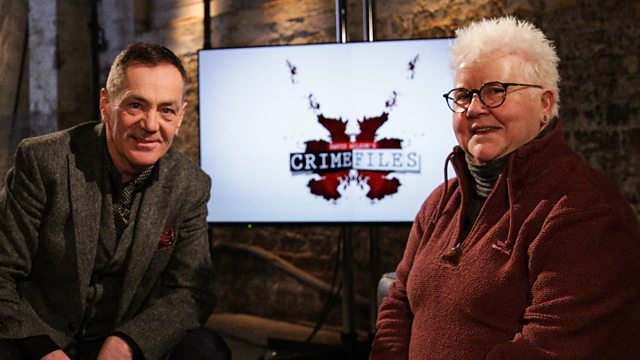
Leading criminologist Professor David Wilson and guests reinvestigate Scotland鈥檚 most notorious miscarriages of justice, looking for the reasons they occur.
In this episode, David and guests discuss the use of forensic science in crime detection, looking at its 19th-century origins and more recent use in unresolved murder cases that are decades old.
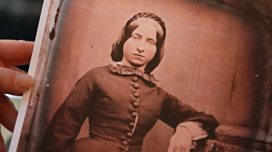
Investigative journalist Fiona Walker presents a short film about the Victorian-era 鈥楾rial of the Century鈥� in which young socialite Madeleine Smith was accused of poisoning her illicit lover with arsenic. Fiona uncovers a wealth of archive evidence, including letters written by Madeleine and the actual bottle of arsenic she purchased that led to her being suspected of murder. However, during her trial one of the world鈥檚 first forensic experts was called by the defence to cast doubt on whether the poison could have been used in the way the prosecution suggested.
Fiona joins David in the studio to discuss Madeleine鈥檚 case in more detail, revealing further forensic evidence that her lover may actually have committed suicide. They discuss the importance of the scientific approach to crime investigation and how that kind of complex and abstract evidence, when presented in a court, can often bamboozle a jury. In Madeleine鈥檚 case, the verdict was 鈥榥ot proven鈥�; in other words the jury couldn鈥檛 be confident about convicting her of murder but weren鈥檛 entirely convinced she was innocent either.
David is joined in the studio by author Val McDermid. Val鈥檚 output as an author of crime fiction is prolific and they chat about the distinctiveness of Scottish culture and psyche as it appears in the crime novel. They also discuss Val鈥檚 recent non-fiction work, Forensics: The Anatomy of Crime, and her own attitudes to science, in particular the pros and cons of DNA being relied upon in crime investigation.
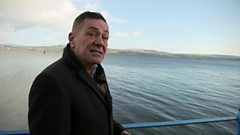
In a short film, David revisits the scene of the shocking murder of 16-year-old Elaine Doyle that took place in Greenock in the 1980s. The murder went unresolved and police were baffled. However, forensic evidence gathered at the scene was re-examined nearly three decades later and the profile of the killer was discovered, leading to him finally being brought to justice.
David speaks with the forensic scientist who worked on the cold case review into Elaine鈥檚 murder. They discuss the huge advances in DNA detection and how this can be applied to unresolved murders going back as far as the 1950s 鈥� a phenomenon that can lead to closure for the relatives of victims.
David鈥檚 master interview guest is with Dr Marjorie Turner, one of Scotland鈥檚 top forensic pathologists. Marjorie talks about what it鈥檚 like to be called to a suspected murder scene and how that can often be traumatic 鈥� but that professional detachment and procedure has to take precedence as she studies a crime scene for forensic clues. She discusses the pressure she can be under to provide detectives with answers and the grilling she can receive in the courtroom from defence lawyers attempting to break down her evidence and opinions. Marjorie also reveals how her professional experiences have caused her to worry excessively about the safety of her children.
Last on

More episodes
Previous
Next
![]()
How early forensics swayed the salacious 'trial of the century'
Madeleine Smith was accused of murdering her lover.
Clips
-
![]()
The scandalous trial of Madeleine Smith
Duration: 05:48
-
![]()
Forensics
Duration: 01:12
Broadcasts
- Sun 12 Jan 2020 21:00
- Tue 14 Jan 2020 23:00
- Tue 12 Jan 2021 23:00
- Tue 2 Aug 2022 23:00
- Tue 11 Aug 2026 22:00