IVF suspension; Sewing for Britain; History of Working Motherhood
What are the long-term consequences of closing IVF clinics? And in today's Corona Diaries, Fran from Sheffield talks about the power of veg in getting her through lockdown.
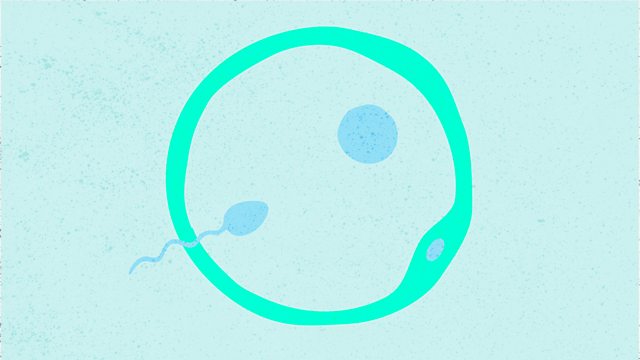
As of last week, all IVF treatment has been suspended in the UK. What impact is this having on women, and what could the longer-term consequences be? Tina Mulhern is 41 and can鈥檛 now start a second cycle of treatment after her first attempt failed in February. Anya Sizer is the London regional organiser of Fertility Network UK.
Over the past few weeks, we鈥檝e had lots of listeners getting in touch to tell us how gardening is helping them through lockdown. Fran Halsall is one of them - but she鈥檚 decided to use her skills outside of her own back yard. In today鈥檚 Woman鈥檚 Hour Corona Diaries, she tells Jenni what it鈥檚 like volunteering as a planter and picker on a local farm, and how she鈥檚 trying to galvanise others to have a go at growing by making a series of simple instructional videos.
The lockdown seems like the perfect opportunity to give sewing and mending your own clothes a try. It鈥檚 also a time when sewists have been lending their hands to help the NHS frontline. Ros Studd is a textiles teacher who鈥檚 just launched the website Repair What You Wear; Dulcie Scott is a TV costume designer who鈥檚 worked on Downton Abbey and His Dark Materials and is now co-ordinating Helping Dress Medics, a project to sew much-needed hospital scrubs, and Esme Young is a fashion designer and judge on The Great British Sewing Bee, which returns for a new series tonight on 麻豆社 1.
The things we cherish aren鈥檛 always expensive. Instead, we treasure the stuff that reminds us of special people, particular times in our lives, or which stand for something important. The writer and broadcaster Sali Hughes talks to Elen Jones about a particularly special pair of glasses.
The last century and a half has seen remarkable changes in women鈥檚 lives - perhaps not least that today three quarters of mothers are in paid employment. In the nineteenth century working mothers were in a minority and, the fact that they were working was widely regarded to be a social ill damaging to their families and wider society. While the working lives of the earliest women doctors or factory workers were very different both had to wrestle with cultural assumptions that they were somehow neglecting their domestic duties. Many women with children were driven to work by economic necessity but, it also appears that many of them came to enjoy a measure of financial independence and a life beyond the home. The historian Helen McCarthy discusses her new book 鈥楧ouble Lives: A History of Working Motherhood鈥� and how much attitudes to mothers in the work place have changed - and how far we still have to go.
Last on

IVF - Information and Support
Broadcast
- Wed 22 Apr 2020 10:00麻豆社 Radio 4
Follow us on Instagram
Get all the pictures, videos, behind the scenes and more from Woman鈥檚 Hour
Podcast
-
![]()
Woman's Hour
Women's voices and women's lives - topical conversations to inform, challenge and inspire.
