Rev Lucy Winkett - 20/08/2019
Thought for the Day
Not far from where I live in central London, a private developer has installed facial recognition software that鈥檚 attracted the attention of the Information Commissioner. There鈥檚 little regulation in this area at the moment and so if I visit a particular complex for shopping or eating, my face may be scanned and the data stored. Security concerns are the given reason for the installation of the software, and of course we live in a world where violent incidents make us afraid and give us good reason to want to know who else is around us.
But the investment in facial recognition software is large, and the pace of development so fast, that as with many technologies, legal and regulatory arrangements are struggling to keep up. The University of Bradford has developed software that can tell if a person鈥檚 smile is genuine or not. Professor Hassan Ugail published his report last month which can be applied to situations as varied as job interviews or therapeutic processes. And so it seems that as I live my life, my face will be increasingly an object of scrutiny and analysis.
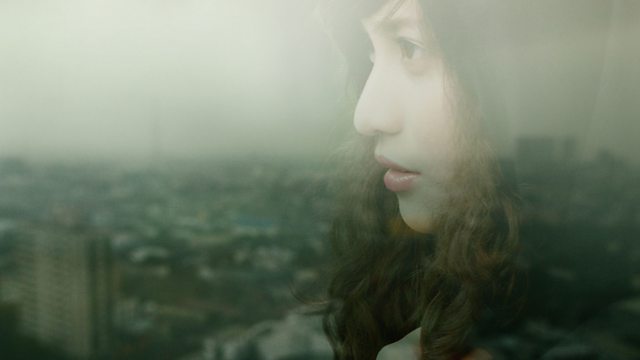
Apart from the commercial exploitation of facial recognition software, this technology touches deep instincts in us. Because it is about being seen.
Being seen is a profound human need; we recognise faces before we learn the power of speech. And in a deeper sense, being seen means that our lives are being witnessed in some way, sometimes if we鈥檙e lucky, over many many years, by family, friends, partners. But what are the ethics of watching?
An insight from the Scriptures can be helpful here. Because Christian teaching acknowledges that it鈥檚 not always easy being seen. In the Genesis story, the first thing Adam and Eve do when they have eaten from the Tree of Knowledge is to hide 鈥� so that they think God can鈥檛 see them. And Christian spiritual teaching will encourage us to believe that human beings are recognised, seen by God, and that this requires developing a high level of trust. Living life held in that divine gaze, human beings learn that we ourselves can鈥檛 know everything there is to know about ourselves.
This is true between people too: there are things about me that you can see that I can鈥檛. Allowing ourselves to be seen involves deepening trust between one another.
We are made for, in the current jargon, facial recognition. As the Scottish poet Edwin Muir wrote 100 years ago: yes, yours my love is the right human face.
And St Paul gives this facial recognition the perspective of eternity in his incomparable poetry too 鈥� because now, in this life, I see through a glass darkly, he says鈥� but then, I shall see face to face.
Duration:
This clip is from

More clips from Thought for the Day
-
![]()
Rev Lucy Winkett - 16/06/2026
Duration: 03:09
-
![]()
Tim Stanley - 15/06/2026
Duration: 03:01
-
![]()
Rev Roy Jenkins - 13/06/2026
Duration: 03:15
-
![]()
Mark Vernon - 12/06/2026
Duration: 03:03