Professor Mona Siddiqui - 22/01/2020
Thought for the Day
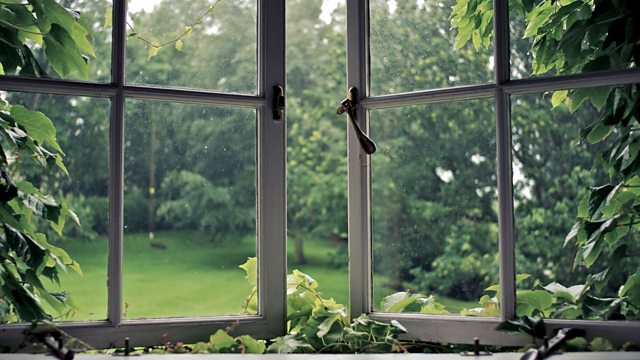
At a recent conference, an American Christian colleague told me of his current project exploring the meaning of home. He asked me what does Islam say about home? Does God dwell in the space and structure we call home? I had to think about what this might mean. The emphasis on home as a place for rest as well as for prayer and remembering God is clear. But there can be a tendency to view home almost as a sacred space of physical and emotional wellbeing. I encouraged him not to simplify home in such a way because home is always more complex and never just one thing; for many the reality of home is brutal, a place of broken relationships and dreams, where abuse and humiliation is often suffered in silence. Home can be a prison or a refuge.
I thought of our conversation as I listened to this programme yesterday about the domestic violence prevention programmes. In explaining the high number of deaths resulting from this kind of violence, the chief executive of SafeLives Suzanne Jacobs described domestic abuse `as terrorism going on behind closed doors.鈥� Now, the government is being urged to increase funding not only for victims but also for offenders and those at high risk of offending. A pilot study has shown that schemes providing advice to perpetrators on building relationships, and dealing with alcohol, drug and mental health issues, can reduce violence related problems.
Domestic abuse is complex and while men are victims too, in partner violence its predominantly women who suffer. It鈥檚 not surprising that coercion and control and the misplaced notions of authority are part of so many relationships because they inform our social, cultural and indeed, religious structures. The verse ` men are the maintainers of women鈥� in the Qur鈥檃n has been re- interpreted for decades but is still largely seen as encouraging women to show a level of obedience to their husbands. And while the Qur鈥檃n may encourage love and harmony between partners, in practice, notions of shame, honour and protection can often hide all kinds of verbal and physical abuse.
I believe that as a society we don鈥檛 think enough about the human propensity for violence and its consequences. Violence in our language, our thoughts and our actions. We all have the potential to cause hurt, to damage others, and it鈥檚 true that some people may never change. But we humans are also moral beings who can resist our darker inclinations 鈥� we can grow, strive to change our behaviour, do good, be kinder, love more, knowing that in the end it is our relationships which eventually make or break us.
Duration:
This clip is from

More clips from Thought for the Day
-
![]()
Tim Stanley - 15/06/2026
Duration: 03:01
-
![]()
Rev Roy Jenkins - 13/06/2026
Duration: 03:15
-
![]()
Mark Vernon - 12/06/2026
Duration: 03:03
-
![]()
Dr Paula Gooder - 11/06/2026
Duration: 03:15