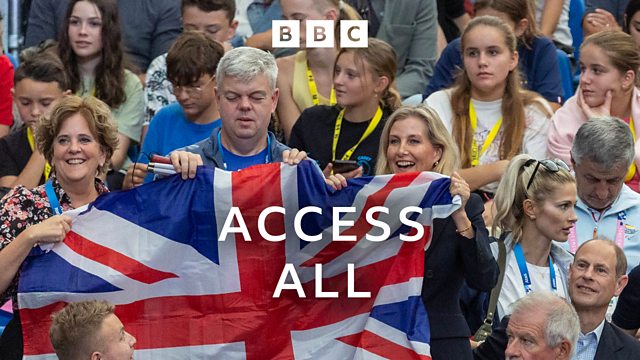
Paralympics 2024: The Prosthesis Menders
The third and final part in a series of special episodes recorded at the Paralympic Games in Paris.
In the final episode from Paris, Emma is given privileged access to the athletes' village - and gets a tour of the Ottobock compound - the place where competitors can bring damaged disability equipment for repair.
From welding a wheelchair frame that got cracked in a rugby tackle to stitching the webbing that holds an athlete securely in their chair - the repair shop staff keep the show on the road.
Also in this episode - Paris-based wheelchair user and disability activist Deza Nguembock tells Emma what life's like for disabled people living in France - and whether hosting the Paralympics is likely to be a catalyst for change.
And ParalympicsGB CEO David Clarke gives his verdict on the Games.
Presenter Emma Tracey, assisted by Karen Golightly
Paris Producer Beth Rose
London Producer Daniel Gordon
Mixed by Dave O鈥橬eill
Edited by Ben Mundy
Transcript
听
06th September 2024
bbc.co.uk/accessall
Access All 鈥� episode 123
Presented by Emma Tracey
听
听
EMMA-听听听听听听听听听听听听听听 Hello and welcome to our third special episode from Paris, where we have been taking in all aspects of the Paralympics, even some of the sport, but we鈥檝e also been taking in the drama and the food and the people. It鈥檚 really noisy, I can hear international voices. But I do want to tell you about some of the food, because you can鈥檛 go to France without talking about the food. We managed to get into the athletes lounge this morning at Paralympics GB House. That鈥檚 where the athletes hang out. We sat on chairs that gold medal winners had sat on. And in there they had macarons, and you can鈥檛 go to Paris without a few macarons. On them one of them had the Eiffel Tower and Paris written on it, and the other one had Paralympics GB sign, and they were absolutely delicious, completely scrumptious. So, I鈥檓 going to grab a few more macarons and head on my adventure around Paris. On with the show.
MUSIC-听听听听听听听听听听听听听听 Theme music.
EMMA-听听听听听听听听听听听听听听 We have an absolute cracker of a show coming up for you. We鈥檙e going to be speaking to the boss of Paralympics GB, David Clarke. We鈥檙e going to be talking to an amazing woman called Deza about life for disabled people in France. But first we got access to one of the most locked down places in Paris. And it isn鈥檛 the Louvre and it isn鈥檛 the Eiffel Tower; it is the athletes鈥� village. And we were let into the athletes鈥� village to visit Ottobock, which is an enormous workshop where they fix all the athletes鈥� prosthetics, bikes, wheelchairs. We literally saw a rugby wheelchair being welded back together after whacking into so many other wheelchairs. And here we meet Donna Fisher, and she is a CPO which is, it鈥檚 quite hard to say but I鈥檓 going to try it, she鈥檚 a certified prosthetist orthotist. And she makes prosthetics and orthotics, and she鈥檚 really into it and she鈥檚 absolutely brilliant.
MUSIC-听听听听听听听听听听听听听听
DONNA-听听听听听听听听听听听听 The main function for the workshop is we will provide a repair service to all of the athletes and the Paralympic family. I think almost 4,400 athletes competing in the Paralympic Games, some of them will use different types of equipment: some are using wheelchairs; some are using prothesis for sports; others are using prosthesis for walking around or wheelchairs for moving around. So, we will do repairs on any of the equipment that athletes require for their sports.
EMMA-听听听听听听听听听听听听听听 And how big is the operation? How big is Ottobock here?
DONNA-听听听听听听听听听听听听 So, this is my fourth Paralympic Games. I started in London, and this is the biggest team that we have brought. We have a team of over 160 orthopaedic technicians here, and a support team around that of administrators, media, all the girls who are taking in the orders. So, it鈥檚 a huge team we have here in France.
EMMA-听听听听听听听听听听听听听听 Wow, that鈥檚 a lot. And they come from all over the world, don鈥檛 they?
DONNA-听听听听听听听听听听听听 All over the world. We have technicians from I think 40 countries, and we are speaking more than 30 different languages.
听听听听听听听听听听听听听听听听听听听听听听听听听听听 [Background talking] we also have a sewing area here, Emma. I鈥檓 just bringing you around. One of my colleagues here is doing some sewing. Louane is making some sewing of a strap to put a soft pad onto an attachment to hold the athlete鈥檚 leg onto the wheelchair when they鈥檙e playing.
EMMA-听听听听听听听听听听听听听听 Oh.
DONNA-听听听听听听听听听听听听 Often with the sports they are moving very quickly, and the tennis in the wheelchair, rugby and in the basketball, and they don鈥檛 want to fall out of the chair, and they need to be really securely fastened. So, there鈥檚 a lot of pressure on the straps, and they are breaking, and so we do a lot of repairing of the straps.
EMMA-听听听听听听听听听听听听听听 Oh my goodness. Do they break during matches and stuff as well?
DONNA-听听听听听听听听听听听听 They can do, yeah.
EMMA-听听听听听听听听听听听听听听 And if you were at the wheelchair rugby would you be expected to fix a strap or would that just be a you鈥檒l have to wait?
DONNA-听听听听听听听听听听听听 If we can we鈥檒l fix it there. If not we send it back here to the workshop and we will fix it for them as soon as we can.
EMMA-听听听听听听听听听听听听听听 Okay. Because they do really chuck themselves about in the rugby, don鈥檛 they?
DONNA-听听听听听听听听听听听听 Yeah. Actually what I will show you just while we鈥檙e here is, because I think I hear the welder. This is a noisy room so sorry for the noise. In behind the screen here there is a whole welding area where we鈥檙e welding the frames of the wheelchairs when they break.
EMMA-听听听听听听听听听听听听听听 Wow. How do they break? How does a frame break during a match?
DONNA-听听听听听听听听听听听听 The force that the athletes are hitting each other in the rugby. And the tennis also is really hard on the wheelchairs. Gunther?
GUNTHER-听听听听听听听听 Yeah.
DONNA-听听听听听听听听听听听听 Would you mind for one moment explaining to my colleagues here what you are doing with the chair?
GUNTHER-听听听听听听听听 We weld to repair the frame of the chair. It was broken, and we fix it again.
DONNA-听听听听听听听听听听听听 And this is a rugby chair?
GUNTHER-听听听听听听听听 This is a rugby chair, yes.
DONNA-听听听听听听听听听听听听 Rugby chair, okay.
EMMA-听听听听听听听听听听听听听听 And what did it come in like? What happened to it?
GUNTHER-听听听听听听听听 It鈥檚 an old chair.
DONNA-听听听听听听听听听听听听 So, it鈥檚 an old chair and the frame has cracked.
GUNTHER-听听听听听听听听 Yeah.
DONNA-听听听听听听听听听听听听 So, with the rugby the forces when they are hitting each other it鈥檚 crazy. So, Gunther, my colleague, is one of our wheelchair welder experts, so he is very used to doing this type of work. But sometimes with the older chairs the force is just over and over and over and over again, and eventually it just cracks. So, Thorsten and Gunther听 have now fixed it.
EMMA-听听听听听听听听听听听听听听 Brilliant.
DONNA-听听听听听听听听听听听听 And it鈥檚 ready for a competition.
EMMA-听听听听听听听听听听听听听听 Ready for a competition, lovely. I feel like I鈥檓 in a mixture of Inside the Factory and Santa鈥檚 workshop.
DONNA-听听听听听听听听听听听听 Yeah exactly [laughs], that鈥檚 not a bad way to think of it, Emma. Thank you.
EMMA-听听听听听听听听听听听听听听 Thank you.
DONNA-听听听听听听听听听听听听 So, I bring you to the store and it鈥檚 not so exciting but it will give you an idea of what types of things that we鈥檙e doing. So, we have a stock room with over 20,000 parts.
EMMA-听听听听听听听听听听听听听听 Wow.
DONNA-听听听听听听听听听听听听 We brought the parts from our head office in Duderstadt in Germany in three big trucks, all e-trucks. This is the store room. The store is just full of shelves. We have prosthetics, orthotics and wheelchairs, so we have many tyres, many tubes for tyres, bearings, screws.
EMMA-听听听听听听听听听听听听听听 Is it all in boxes?
DONNA-听听听听听听听听听听听听 We鈥檝e got all different types of feet. Come on over and I鈥檒l let you just have a little feel. So, this is the prosthetic area.
EMMA-听听听听听听听听听听听听听听 She indulges me. This is like your Aladdin鈥檚 Cave then?
DONNA-听听听听听听听听听听听听 Absolutely.
EMMA-听听听听听听听听听听听听听听 Very good.
DONNA-听听听听听听听听听听听听 So, we鈥檝e got, as I say, 20,000 different parts in here.
EMMA-听听听听听听听听听听听听听听 Amazing.
DONNA-听听听听听听听听听听听听 Now we鈥檙e ging to go round the corner and we鈥檒l head back to the workshop. What we also have is we have two 3D printers. We鈥檝e also got a really interesting 3D printing device going on at the moment which is for an Australian athlete. And they鈥檙e missing both of their arms, so bilateral, below elbow, so they鈥檙e missing both arms from below the elbow. And they are really struggling to move their suitcase. So, it鈥檚 a swimmer and to go to the swimming he needs to bring his clothes and his equipment. And he has like a normal suitcase with wheels, but he can鈥檛 wheel it because he doesn鈥檛 have any hands.
EMMA-听听听听听听听听听听听听听听 No grip.
DONNA-听听听听听听听听听听听听 Exactly. So, we鈥檙e actually making a two-part attachment that will fit onto the suitcase and then he can fit his arm and then he can wheel the wheelchair.
EMMA-听听听听听听听听听听听听听听 That sounds like something that could go to market.
DONNA-听听听听听听听听听听听听 Absolutely. And these are one-off things. This athlete has come into us with a problem, we have to decide what鈥檚 the solution and then how do we make it. So, he will come back at 7pm this evening and we will fit it to the suitcase.
EMMA-听听听听听听听听听听听听听听 And what is the range of equipment that you guys are repairing? You talked about wheelchairs and prosthetic limbs; are there different things other than that, but also different types of prosthetics and different types of wheelchairs depending on where you come from and what you can afford et cetera?
DONNA-听听听听听听听听听听听听 Yeah. I guess what we see is from a competition point of view there are obviously regulations around what the athletes can use. So, for the competitions for the wheelchair basketball, wheelchair rugby they would have specialist chairs, the road racing bikes, and they would all be of the same type because they need to be for a competition. But we also see a lot of different types of prosthesis, orthosis and wheelchairs that are for daily use coming from all over the world. So, obviously from the developing world we will see some equipment that is maybe not so modern. And then from the developed countries we are seeing more modern, sometimes the high-spec electronic components. So, it鈥檚 a real mixture of everything that we do.
EMMA-听听听听听听听听听听听听听听 Does something come in sometimes and you go, oh-ho, that is beautiful or fancy or ooh, I鈥檝e not seen this before, can鈥檛 wait to work on this?
DONNA-听听听听听听听听听听听听 Absolutely; and this is why I want to be here because we鈥檙e always learning. I鈥檓 doing the job for over 30 years but I still come here and I still see something, I get ideas that I can bring home with me, and it鈥檚 really good for us as well.
MUSIC-
EMMA-听听听听听听听听听听听听听听 I have been invited down a side street in the centre of Paris. I鈥檓 here to meet Deza Nguembock, she鈥檚 an inclusion specialist. She鈥檚 from Cameroon but been living in Paris for 20 years. And I asked her all about the French perspective on the Paralympics being in the city:
DEZA-听听听听听听听听听听听听听听听听 The Paralympics is taking place almost in many different places in Paris. I鈥檝e heard yesterday two of my friends who are disabled athletes that they had had a lot of medals with the Paralympics and they were very, very happy. They say that because of the Paralympics people are much more aware of what disabled people can do without barriers. So, I think like them that it can be a good idea because people are talking and the media are talking much more about disabled people. And I really hope that after the Paralympics it鈥檚 going to go on and not just stop.
EMMA-听听听听听听听听听听听听听听 Have you been to see everything?
DEZA-听听听听听听听听听听听听听听听听 I鈥檝e been to the opening ceremony, but tonight I鈥檓 going to see the para athletics.
EMMA-听听听听听听听听听听听听听听 What was being at the opening ceremony like?
DEZA-听听听听听听听听听听听听听听听听 It was amazing, I really, really enjoyed it. I think it was the first big event on disabled people that was really successful in my point of view.
EMMA-听听听听听听听听听听听听听听 And what made it so successful?
DEZA-听听听听听听听听听听听听听听听听 We were able to see disabled people and listen to their personal stories, experiences. And it was not only about sport, it was also about fashion, culture, everything was in the mix and I really, really liked it.
EMMA-听听听听听听听听听听听听听听 Yes, because lots of people鈥檚 stories were played in, weren鈥檛 they? What did you think of the performance?
DEZA-听听听听听听听听听听听听听听听听 The performance during this ceremony was really, really well organised and it was successful. I really liked the performances about dance, it was very powerfully displayed. The choreography it was so, so powerful.
EMMA-听听听听听听听听听听听听听听 What was the choreographer and the dancers trying to say with that performance?
DEZA-听听听听听听听听听听听听听听听听 The people and the body are diverse, like what we were able to see in that performance, and everything was beautiful. Even if you see people with no legs, no arms, everything was well displayed and we can see the beauty inside those people. So, the message was depending on how people are, depending on their situation you can see harmony, you can see beauty. And diversity should become a norm, not something that can make people exclude those who are different.
EMMA-听听听听听听听听听听听听听听 And are disabled people represented well in France? So, are there disabled people on TV, in adverts, in music, in culture?
DEZA-听听听听听听听听听听听听听听听听 I made a study in March this year trying to measure how disabled people are represented in many different spheres in society. It was about society itself, employment, media, politics, and what we can see from this study was disabled people were very badly represented. In media for almost 20 years we had less than 2% of people with disabilities. That is a very, very, very bad figure we can say. Now we should work to bring those people in many different spheres of society. In employment we can see some improvement in the few years, starting ten years ago, the government started encouraging corporations to hire disabled people. There is a percentage of 6%, if you have 20 people you have to hire disabled people. In the beginning it was very, very difficult, but now a lot of corporations are saying that they are disabled friendly and they are trying to bring those people in work. But what I can see from that is it鈥檚 not just hiring people; it鈥檚 also giving them the opportunity to express their talents, their skills, and earning money like the other employees.
EMMA-听听听听听听听听听听听听听听 So, there are quotas for disabled employees. What happens if an organisation with more than 20 people don鈥檛 employ 6%?
DEZA-听听听听听听听听听听听听听听听听 They have to pay taxes, and many, many of them are paying taxes.
EMMA-听听听听听听听听听听听听听听 What about transport and getting around? We鈥檝e talked a lot about access on the 麻豆社 around the Paralympics and around spectators struggling a little bit. What do disabled Parisians and disabled French people find?
DEZA-听听听听听听听听听听听听听听听听 I think transportation is the biggest challenge that people are facing, especially in Paris. The Metro in Paris there are less than 3% of the Parisian Metro that is accessible to people with a wheelchair. Almost every week I鈥檓 facing a big challenge whether the lift doesn鈥檛 work, whether there is nobody to display the ramp to access the train or the Metro. It is always bad stories about that, and many different people with different disabilities are facing the same.
EMMA-听听听听听听听听听听听听听听 I am noticing being in France how helpful everyone has been, in Paris the taxi drivers, the hotel people. Do you think by people all over the world talking about Paris accessibility will that help them to move things forward and change it?
DEZA-听听听听听听听听听听听听听听听听 I think so. I really think that what we need is to shed the light outside of France so that we know everywhere in the world what鈥檚 going on here. And since French people don鈥檛 like to be pinpointed for doing things wrong I think they鈥檒l do something.
EMMA-听听听听听听听听听听听听听听 We鈥檙e coming towards the closing ceremony now, Deza, do you think it鈥檚 been positive? Are we ending this Paris Paralympics on a positive note?
DEZA-听听听听听听听听听听听听听听听听 Yes, things are changing, but they are changing slowly. I would like to go quicker. But I鈥檓 sure that we are going to arrive to something positive in the years to come.
EMMA-听听听听听听听听听听听听听听 Deza Nguembock, thank you so much.
MUSIC-
EMMA-听听听听听听听听听听听听听听 My next conversation is with the big boss himself. It鈥檚 the CEO of Paralympics GB, Dave Clarke. Now, he had a bit of a warmup act before we came in: he was taking Gareth Southgate around Paralympics GB House. And then we, Access All, the big guns arrived in the athletes鈥� lounge and we spoke to Dave Clarke:
听听听听听听听听听听听听听听听听听听听听听听听听听听听 Hi Dave.
DAVID-听听听听听听听听听听听听听听 Hello!
EMMA-听听听听听听听听听听听听听听 You sound very chipper. What have you been doing this morning?
DAVID-听听听听听听听听听听听听听听 Well, I think it鈥檚 important to be chipper when you鈥檙e seven days into the Paralympics and the team are doing so well.
EMMA-听听听听听听听听听听听听听听 Well, second on the medal table, that鈥檚 extraordinary, isn鈥檛 it?
DAVID-听听听听听听听听听听听听听听 Yeah. Look, we鈥檙e very, very happy. I think everyone sort of looks back to London in the UK and we look how we did there, the crowds and everything that was going on in London. And what I always say to people is that, you know, the performances in London, as amazing as they were, if you won a gold medal there the time probably wouldn鈥檛 get you on the podium in Paris. So, the fact that the standards have gone up is incredible, but the fact that we鈥檙e maintaining our performance and our athletes are doing such an incredible job is superb.
EMMA-听听听听听听听听听听听听听听 I was speaking to Callie-Ann Warrington yesterday who鈥檇 won silver in her swimming final, and she was saying that she worked full time until fairly recently and has gone down to part time, but is still working as a radiographer. Which I鈥檇 kind of forgotten that some of the athletes in the Olympics and the Paralympics work outside of being an athlete. Is that something that needs to change?
DAVID-听听听听听听听听听听听听听听 Well, I think it鈥檚 a matter of personal choice. All of our athletes who are on World Class Programmes receive World Class funding through the National Lottery, and distributed via the government through UK Sport. But of course if people believe that they are able to combine that with work 鈥� you mentioned being a radiographer, I would say that鈥檚 an incredibly important role, something that someone鈥檚 studied for very hard and is a really important role in society 鈥� then one would hope that they would be able to continue to do that as well. So, I think it is a matter of personal choice. I think most of our athletes these days who are on the World Class Programme would be full time. Of course there were a number of situations within the Olympics where athletes were going back to start doctors positions and various roles in society. So, I do think it鈥檚 up to individuals to choice. But the World Class Programme does provide really strong funding for those who want to be full-time athletes.
EMMA-听听听听听听听听听听听听听听 Yeah, that鈥檚 really interesting. How has interest been in this Paralympics? What have the ticket sales been like? What important people have you had? What鈥檚 the interest like from the UK and from Paris?
DAVID-听听听听听听听听听听听听听听 It鈥檚 been incredible, it鈥檚 been incredible. I mean, I was in Atlanta 1996 where we probably got an hour鈥檚 magazine programme every night on the 麻豆社. The whole vibe around the Paralympics has changed. Out of 2.5 million tickets available I understand that there鈥檚 only 100,000 left.
EMMA-听听听听听听听听听听听听听听 That鈥檚 a lot of tickets.
DAVID-听听听听听听听听听听听听听听 I鈥檓 pretty certain they will have gone now, because what鈥檚 happened they think is very similar to London, is that Parisians have realised as they went away during the Olympics because they thought it was going to be chaos in Paris, they鈥檝e kind of gone, oh wow, we missed out on something there, we missed out on these incredible historic venues, we missed out on the spirit. So, they鈥檙e coming along. And it鈥檚 great, every single stadium I鈥檝e been in for whatever games I鈥檝e been in it鈥檚 been absolutely packed out, so that鈥檚 fantastic. Our Prime Minister joined us at the opening ceremony; the first Prime Minister to come to an away Paralympics, which was absolutely incredible. We had the Sports Minister here with us, Steph Peacock for about three days, who just couldn鈥檛 get enough of what鈥檚 going on out here. And then really importantly Lisa Nandy, the Secretary of State for DCMS was here and able to witness our equal play film and really give some strong commitments around the availability of sport for disabled kids in school. And then finally towards the back of this week we have our royal patron, the Duke of Edinburgh, with his wife the Duchess, and the Disability Minister, Stephen Timms will be out here as well.
EMMA-听听听听听听听听听听听听听听 That鈥檚 a lot of important people to wine and dine, Dave Clarke, isn鈥檛 it?
DAVID-听听听听听听听听听听听听听听 Not a lot of wining going on.
EMMA-听听听听听听听听听听听听听听 [Laughs]
DAVID-听听听听听听听听听听听听听听 The only whining you鈥檒l find is me making the odd point that we want changing. But it鈥檚 really important to have that platform and that people are interested and they鈥檙e here genuinely to find out what we鈥檙e doing, find out what we think, and that鈥檚 super important. And I suppose the other cohort I should mention, there鈥檚 a massive amount of support here on the ground from the UK: 28% of all tickets sold internationally are to British fans.
EMMA-听听听听听听听听听听听听听听 Tell me about the legacy. We always talk about the legacy of the Paralympics, but you at Paralympics GB have been campaigning for children to get more PE at school. Are you hoping that this Games will encourage that and increase that?
DAVID-听听听听听听听听听听听听听听 Yeah, I think what鈥檚 really important is that we fly the flag for every disabled person. When I was competing it was always a little bit of a difficult one with the disabled community because people weirdly decided that well, if those guys can do what they do then why can鈥檛 you, sort of thing. And no one would ever think of saying to Usain Bolt鈥檚 neighbour, why can鈥檛 you run as fast as Usain Bolt. So, there was always that ridiculous pressure. But what we want to do is turn that completely on its head and say look, we at Paralympics GB we鈥檙e doing what we do at the elite level of sport, but we want to fly the flag for every disabled person. And our particular angle on this is around the inclusion and understanding of disability but within a sporting context, as well as that wider piece around society. So, it鈥檚 really important to us that we launched our Social Impact Strategy which has at the heart of it the Equal Play campaign, which is about ensuring that the three out of four disabled kids who don鈥檛 currently do regular sport in school get the opportunity and the choice to do so.
EMMA-听听听听听听听听听听听听听听 And why is it so important for a disabled kid to do PE or do sport? I鈥檝e talked to a couple of disabled people over the last couple of days who said they didn鈥檛 have PE. I did because I was at a special school. But what does it mean going forward for disabled people if they have the opportunity to try different things when they鈥檙e young?
DAVID-听听听听听听听听听听听听听听 I鈥檒l slightly flip the question: why is it important for kids to do PE? That should be the end of it, right. If it鈥檚 important for kids to do PE, which I believe it is for all sorts of reasons, for social reasons, mobility, technical skills, psychology, there鈥檚 a whole raft of reasons why doing PE, moving, being active is good for you. And it鈥檚 really important that that鈥檚 done inclusively so that everybody can get involved. But if we鈥檝e decided it鈥檚 good enough for kids then that means all kids. And that was something that Lisa Nandy was very strong on. When she said every child, she means every child. So, we don鈥檛 need to put a new lens on it because it鈥檚 disabled. If it鈥檚 good for kids it鈥檚 good for disabled kids.
EMMA-听听听听听听听听听听听听听听 But why are these disabled kids not getting PE? Is it health and safety? And how do you get past that?
DAVID-听听听听听听听听听听听听听听 Well, I think there鈥檚 a whole raft of reasons. And first of all, this is not about bashing teachers and schools. This is about providing the right resources, providing the right training. And also only about half a percent, from our studies, of teachers would identify as having a disability. So, there鈥檚 a real lack of lived experience with disability within our schools. We need to provide them with the resources and the training so that they do feel confident in creating an inclusive lesson. There are Paralympic champions here who are only here by virtue of a random conversation that took place in their teens. That cannot be. We鈥檙e not saying that everyone needs to be a Paralympian, we鈥檙e not saying that everyone needs to be an elite sport; but every disabled person should have the choice whether to be sporty and active or not.
EMMA-听听听听听听听听听听听听听听 We鈥檙e fast approaching the closing ceremony of the Paralympic Games now. What happens after that for the athletes and for the Paralympics GB behind the scenes team?
DAVID-听听听听听听听听听听听听听听 Look, it鈥檚 been a phenomenal couple of weeks. Paris and France have really shone, and I think it鈥檚 been an incredible festival of sport. For athletes we鈥檒l have that moment of reflection during the closing ceremony, and then it will be a great party. And then we鈥檒l all head back and then we will have our homecoming, which is going to be up in Birmingham, which we鈥檙e really excited about. And that will be an opportunity for friends and family, team members to get together and celebrate what鈥檚 just happened. But we also have our Change Maker Programme, which means that lots of our Paralympic athletes will go into schools, will go into sports centres, will do exactly as their Olympic counterparts did and go back to the places that made them and the places that developed them and really show off their medals, show off their successes. But also try and be that shining light for future people to get the opportunity to play sport.
EMMA-听听听听听听听听听听听听听听 David Clarke, CEO of Paralympics GB, thank you so much.
DAVID-听听听听听听听听听听听听听听 Thank you.
MUSIC-
EMMA-听听听听听听听听听听听听听听 It has been the most amazing time, the most amazing three days in Paris. But it does have to come to an end, and it鈥檚 about to do that here in Gard du Nord, one of the big train stations in Paris. I鈥檓 standing on a platform overlooking all the trains, about to get my Eurostar back to London. But it has just been really, really wonderful. I鈥檝e had a great time at Paralympics GB House speaking to the fabulous medallists; going to the events, like swimming and athletics. The atmosphere was just electric. The sound in the stadiums was just ears-ringing loud with the roaring, and so many British fans as well.
听听听听听听听听听听听听听听听听听听听听听听听听听听听 Thanks a million to Beth Rose and to Karen Golightly for their help to put all this together in Paris. If you want to hear any of our other episodes you can find them on 麻豆社 Sounds on the Access All feed; just search for that in there. If you want to get in touch with us please do, we鈥檙e accessall@bbc.co.uk on email, and on socials, Instagram and X, formerly known as Twitter, we are @麻豆社AccessAll. See you next time. Bye bye. 听
听
Podcast
Get the latest episodes of the Access All podcast the moment a new episode goes live!
Podcast
-
![]()
Access All: Disability News and Mental Health
Weekly podcast about mental health, wellbeing and disabled people.