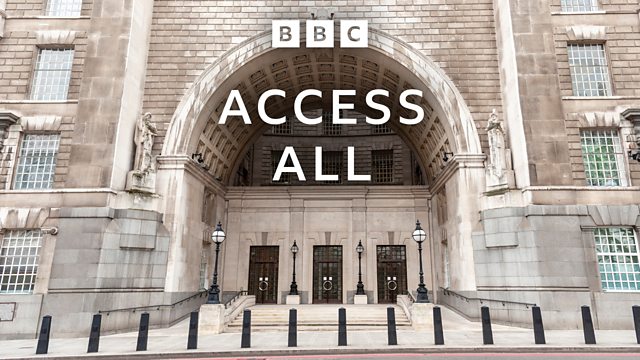
Inside MI5 with an autistic intelligence officer
A rare insight into the working life of an autistic MI5 intelligence officer.
This week, Access All lives up to its name - we鈥檝e been granted permission to go inside MI5 and meet an autistic senior intelligence officer.
Liam (not his real name and voiced by an actor) tells Emma Tracey what it鈥檚 like to work as a senior manager and the responsibility he feels for protecting public security.
He reveals the moment he first experienced autistic burnout and the strategies he has learned to cope going forward. Liam goes on to describe the support he was offered by MI5 and his colleagues.
The 麻豆社鈥檚 Security Correspondent, Gordon Corera, also drops by to give the inside story on the role of Britain鈥檚 domestic intelligence agency and offers up some interesting spy stories from the past.
Presenter: Emma Tracey
Producer: Alex Collins
Actor voicing Liam: Matthew McCloud
Mixed by Dave O'Neill
Editors: Beth Rose and Daniel Gordon
The Access All team love hearing from you. You can email accessall@bbc.co.uk or find @bbcaccessall on X and Instagram.
Transcript
听
1st October 2024
bbc.co.uk/accessall
Access All 鈥� episode 127
Presented by Emma Tracey
听
听
EMMA-听听听听听听听听听听听听听听 Hello, this is Access All and I鈥檓 Emma Tracey. And this is a very, very exciting episode. It鈥檚 very different to what we usually bring you. We鈥檝e been keeping a lot of secrets in Access All over the last few weeks because recently I got the opportunity to visit the MI5 headquarters and I spoke to one of their senior intelligence officers. We鈥檙e calling him Liam, and that鈥檚 not his real name, and Liam鈥檚 autistic. And he tells us about the realities of working with the security services when you鈥檙e neurodivergent. So, you鈥檒l hear that interview with Liam, and then I will speak to the 麻豆社鈥檚 security correspondent, Gordon Corera, about MI5.
Now, before we get on to the chat with Liam let me tell you how this interview came about. Arranging it took about nine months and involved conversations about what could be broadcast, which would provide insight into the intelligence agency without putting national security at risk. I met with Liam who was put forward by MI5, and it was agreed that Liam鈥檚 words would be voiced by an actor. So, the voice that you will hear is that of Matthew McCloud. Right, here we go, here鈥檚 that chat with Liam.
MUSIC-听听听听听听听听听听听听听听 Theme music.
EMMA-听听听听听听听听听听听听听听 Liam, you are so, so welcome to Access All.
LIAM-听听听听听听听听听听听听听听听听听 Thank you very much. It鈥檚 really great to be here and thank you so much for your interest in this topic.
EMMA-听听听听听听听听听听听听听听 I am so interested and I am so excited, I鈥檓 honestly just trying to keep it at bay to make myself look a bit more professional. Did you always want to work at MI5?
LIAM-听听听听听听听听听听听听听听听听听 I thought of a range of things when I was growing up. I was very interested in being in the military, but I really felt kind of drawn to this work.
EMMA-听听听听听听听听听听听听听听 Now, I know you can鈥檛 tell me exactly what you do in MI5, but what skills do you bring to it? I mean, in a kind of vague way even can you tell me what kinds of skills you have and what you studied?
LIAM-听听听听听听听听听听听听听听听听听 I was recruited in as what鈥檚 called a generalist. What I have is the ability to acquire and use various different analytical skills in a variety of roles. So, sometimes I worked in our investigative kind of more mission focused roles, other times I鈥檝e worked in our more kind of policy and internal security and project roles.
EMMA-听听听听听听听听听听听听听听 And are there disabled people and neurodivergent people in all of the areas, like the officers who support the agents and the people who have to go out into the fields, would you say that there鈥檚 representation in all of those areas?
LIAM-听听听听听听听听听听听听听听听听听 Yes, I鈥檝e done it.
EMMA-听听听听听听听听听听听听听听 Oh, I mean, what can I ask you? Was it really fun? What was the main thing that being neurodivergent helped you with going out to the field to support agents?
LIAM-听听听听听听听听听听听听听听听听听 That hyper focus and attention to detail was certainly I think a strength in that environment. I鈥檝e also got a fairly good memory, which I think was also quite helpful in that environment too, because obviously when you鈥檙e out and about you don鈥檛 have the access to a lot of our materials that we have in the office, so being able to remember I found quite useful.
EMMA-听听听听听听听听听听听听听听 Liam, I think when you say you have a fairly good memory I think you mean you have a very, very good memory?
LIAM-听听听听听听听听听听听听听听听听听 You know, it鈥檚 not as good as it was when I was young. At one point I was almost photographic with my memory, but that has passed now I鈥檓 afraid.
EMMA-听听听听听听听听听听听听听听 You鈥檝e been there for many years. You鈥檝e done really, really well, you鈥檝e progressed quite a lot. You weren鈥檛 diagnosed until much later in your career. But often disabled people worry that they go into an organisation, even somewhere like the 麻豆社 or any big organisation, and that they won鈥檛 be able to move forward. Have you seen neurodivergent and disabled people progress up the ladder?
LIAM-听听听听听听听听听听听听听听听听听 Just so we鈥檙e really clear, I actually became a senior manager in MI5 after I had been diagnosed as autistic. So, from my own experience my biggest significant career developments have happened after I worked out I was neurodiverse.
EMMA-听听听听听听听听听听听听听听 Can we talk about your diagnosis journey while working at MI5, is that okay? How did you start thinking about maybe I鈥檓 neurodiverse, and particularly in relation to work?
LIAM-听听听听听听听听听听听听听听听听听 It really kind of cumulated in, I guess, a tipping point, or a breaking point really is probably a more accurate description. I was starting to really struggle really absorbing so much information that was being thrown at me. And then one day 鈥� excuse me, it鈥檚 quite challenging to talk about.
EMMA-听听听听听听听听听听听听听听 Of course.
LIAM-听听听听听听听听听听听听听听听听听 [Clears throat] one day I was sat at my desk and I was chairing a meeting, my phone was going off, I had loads of messages, I had loads of papers and there was so much I guess I had a kind of sensory overload. I was really tired and I started to have a terrible headache that then turned into quite a bad migraine. I sort of stopped doing what I was doing and decided it would be a good idea to splash some water all over my face. So, I got up and then as I started making my way to the bathroom I started losing the ability to see; the migraine was affecting my vision. So, I had to stop and then fortunately some very kind colleagues came and rescued me and looked after me. But it had a really quite significant impact on me and I was off work for some time because I subsequently discovered that what that was was an autistic burnout.
EMMA-听听听听听听听听听听听听听听 Yeah. So, after you were off work with autistic burnout, so you had just come to your limit and it had culminated in physical health issues, what happened next?
LIAM-听听听听听听听听听听听听听听听听听 I knew that something awful had happened and it had made me feel really rubbish, so I got a lot of support through our occupational health teams here and the wellbeing teams. And through them they organised counselling for me with people through the organisation so I could talk freely with them. And that was incredibly helpful because it was through that process where we explored a range of things, whether it was stress, anxiety interlinked, which it probably was interlinked to the autistic element of it and the neurodiversity. But from there through the office I was organised to see some neurodiverse coaches, which further then helped me understand the fact that I was neurodiverse. But it was a really challenging perspective. I mean, it was kind of interesting because I had actually got a child that was autistic, and I hadn鈥檛 seen the connection, even though we are quite similar in those ways.
EMMA-听听听听听听听听听听听听听听 So, your child had been diagnosed before all this?
LIAM-听听听听听听听听听听听听听听听听听 Correct, yes.
EMMA-听听听听听听听听听听听听听听 Right. That鈥檚 really interesting.
LIAM-听听听听听听听听听听听听听听听听听 Really interesting. But the honest truth is that when I was off work, and I struggled being off work because I couldn鈥檛 really do much and I was so tired, but what was on my mind was whether or not I鈥檇 be capable of coming back, and if I could come back how would I be viewed. I guess my strength had always been my reliability, and I was really worried coming back would people see me as the reliable person anymore; was I even that reliable person anymore.
EMMA-听听听听听听听听听听听听听听 And are you? Was it okay?
LIAM-听听听听听听听听听听听听听听听听听 That鈥檚 a complicated question and the short answer is yes, it was more than okay. And that was because when I started to come back into work we actually had a staff network group for neurodiverse individuals, as well as the support through wellbeing and the coaching to the neurodiversity coaches. And my engagement with them was hugely important because it started to show me that there were lots of neurodiverse individuals within the organisation, and that actually in order to be able to function what I needed to do was kind of build around myself a proper supporting scaffolding structure to allow me to work in a slightly different way, but to do so in a way that was healthy for me.
EMMA-听听听听听听听听听听听听听听 And what was the different way that you had to work?
LIAM-听听听听听听听听听听听听听听听听听 I realised through my neurodiversity that I often take things quite literally. So, if someone says something like, we need this done straightaway, or this or we need this done now, I would go and do that work straightaway and I would keep working till it was done.
EMMA-听听听听听听听听听听听听听听 Yeah.
LIAM-听听听听听听听听听听听听听听听听听 Whereas now to ask a question, okay: so, if we say this is a priority for us is this something that we need to be done by the end of today or is it by the end of the week, or is it in a month鈥檚 time. I also work on one thing at a time. In an effort to be efficient I would be listening in to a meeting, and at the same time I would be reading emails, and at the same time I鈥檇 also be thinking about what I would want to write in a report that I was writing. I would be doing multiple things at once; whereas now I try to not do that.
EMMA-听听听听听听听听听听听听听听 And your work in MI5 does your brain working differently do you see that as an asset? Is it a really good thing for the job that you do? Is it a really good thing for autistic and neurodivergent people in the organisation?
LIAM-听听听听听听听听听听听听听听听听听 When I first joined the office someone explained to me intelligence work is like a jigsaw puzzle, and the different ways we collect intelligence allows us to get the different pieces of the jigsaw puzzle. Getting the jigsaw puzzle right can mean the difference between helping save people鈥檚 lives and protecting national security. So, this is why I think neurodiversity is really important because it allows us to have a range of different people that could all have different experiences and ways of viewing the world so that we can see different images being formed in that jigsaw picture.
EMMA-听听听听听听听听听听听听听听 And why have you decided to speak about neurodivergence and working for MI5? How are you hoping it will help? Or are you doing it for yourself? What鈥檚 going on?
LIAM-听听听听听听听听听听听听听听听听听 In full honesty I was initially quite reluctant to do this. It鈥檚 not something I鈥檝e ever done before and it鈥檚 not something I ever thought I would do. Whilst my natural reluctance was there it was overweighed by the fact that the benefits that I thought this could bring in talking about how important and how valued neurodiverse people are at MI5 kind of outweighed my natural reluctance for public speaking.
EMMA-听听听听听听听听听听听听听听 So, what can you tell me about other colleagues鈥� experiences in MI5 then?
LIAM-听听听听听听听听听听听听听听听听听 So, we鈥檝e got a range of people with different neurodiversities. So, we鈥檝e got some people that are on the ADHD side, some autistic, some highly sensitive. So, there is a real range of people and they all bring their own strengths to it. And there鈥檚 people that work in a whole range of different roles at MI5 I鈥檝e had the fortune to speak to and encounter; they鈥檙e all bringing their own unique perspectives and strengths to that range of different areas.
EMMA-听听听听听听听听听听听听听听 I know a lot of autistic people and neurodivergent people who really struggle to keep secrets and they struggle at keeping anything to themselves, but you must not be one of those people. I mean, what did you tell family and friends? You鈥檝e been there for a long time, you鈥檙e obviously very, very good at that now. But was it a struggle or it is your superpower?
LIAM-听听听听听听听听听听听听听听听听听 [Laughs] I don鈥檛 know whether it鈥檚 my superpower, I often keep and take in a lot of information. The keeping of secrets has never been an issue for me. I mean, I did speak to my mother and father about it and my wife knows, and that鈥檚 about the extent of it.
EMMA-听听听听听听听听听听听听听听 I have to ask this, Liam: is working for MI5 as glamorous as it looks on the telly or in novels? Do you get to go to these amazing locations? Do you have this amazing tech? Is it as cool and as glamorous as they make it look?
LIAM-听听听听听听听听听听听听听听听听听 Okay so [laughs] I have done things, fortunate things in working for MI5 that I would never have got to do anywhere else in the world. I have travelled overseas; I have done mission work that I think has had a real positive impact and saved people鈥檚 lives essentially.
EMMA-听听听听听听听听听听听听听听 Liam, when you work at MI5 can you have a normal life outside of it? Do you get calls at odd hours? How do you deal with family and friends?
LIAM-听听听听听听听听听听听听听听听听听 You know, yes, depending on the role. I鈥檝e been contacted outside the office and had to deal with that, other times I haven鈥檛. But I have a family and social life and it hasn鈥檛 impeded me in doing that.
EMMA-听听听听听听听听听听听听听听 And because you have to be so secretive about the work you do with the people you know is there quite a friendly internal culture?
LIAM-听听听听听听听听听听听听听听听听听 Yes. I really love the office. I have been here for a long time. I am lucky to work with amazing, talented, kind people. We have a network group and our executive committee held a neurodiversity week.
EMMA-听听听听听听听听听听听听听听 What do you organise?
LIAM-听听听听听听听听听听听听听听听听听 A series of talks, people talking about their experiences, if they were neurodiverse. There was also space to talk about issues such as if you have neurodiverse children, and we had guest speakers.
EMMA-听听听听听听听听听听听听听听 Okay, so if you have guest speakers how do you organise that? I mean, what do you tell them? Are they internal people? And if you have social events 鈥� this is what I really want to know 鈥� is there a special pub?
LIAM-听听听听听听听听听听听听听听听听听 You鈥檙e asking me if there is an MI5 pub.
EMMA-听听听听听听听听听听听听听听 Is there an MI5 pub?
LIAM-听听听听听听听听听听听听听听听听听 I can neither confirm nor deny whether there is an MI5 pub.
EMMA-听听听听听听听听听听听听听听 [Laughs]
MUSIC-
EMMA-听听听听听听听听听听听听听听 That was Liam, a senior intelligence officer at MI5, who鈥檚 autistic and told us about his experience of working for the agency. Now joining me is the 麻豆社鈥檚 security correspondent Gordon Corera. Hi Gordon.
GORDON-听听听听听听听听听听 Hello, nice to be with you.
EMMA-听听听听听听听听听听听听听听 Oh, it鈥檚 nice to have you in. It鈥檚 nice to have an expert on board, honestly.
GORDON-听听听听听听听听听听 [Laughs] supposedly.
EMMA-听听听听听听听听听听听听听听 Yeah, so that was really, really interesting talking about Liam鈥檚 experiences working in MI5. But can I go back to basics, there are three agencies, aren鈥檛 there? What are they and what do they do?
GORDON-听听听听听听听听听听 That鈥檚 a good question and lots of people get a bit confused about them. There are three intelligence agencies or three big ones in the UK I should say: MI5, the one we鈥檝e just heard about, which is the domestic security service. So, that does things like investigate terrorist threats in the UK, or foreign spies who are operating inside the UK. Then there鈥檚 MI6, as it's popularly known, it鈥檚 also called SIS, the Security Intelligence Service. That operates overseas recruiting agents who are going to provide intelligence, say, about Iran鈥檚 nuclear programme, or what鈥檚 going on inside Russia, or things in China. And then there鈥檚 GCHQ based out in Cheltenham, which grew up as the, if you like, collecting communications data, intercepting communications, whether it was radio or now the internet. So, you associate it with the kind of digital and cyberworld and communication specifically, again, mainly around the world rather than the UK. So, those are the three intelligence agencies.
EMMA-听听听听听听听听听听听听听听 Okay, so UK, worldwide and the geeky one.
GORDON-听听听听听听听听听听 [Laughs] that鈥檚 how some people put it.
EMMA-听听听听听听听听听听听听听听 Cybersecurity one.
GORDON-听听听听听听听听听听 They鈥檙e all getting more geeky though, which is one of the interesting things about it, because I think they all need to know a bit more tech than there used to be. So, some of the old stereotypes have gone, but I think some are still there about the differences between them.
EMMA-听听听听听听听听听听听听听听 That鈥檚 interesting because maybe them becoming more sort of computer, internet heavy in how they do things might reflect the types of people that they bring in. I mean, you鈥檝e been around all three agencies for some years now, Gordon, what have you noticed or seen around the numbers of disabled people? Obviously every disability isn鈥檛 visible, but the numbers in each of the agencies, or has anything jumped out at you?
GORDON-听听听听听听听听听听 Having been around the agencies certainly visibly when you walk round them GCHQ would present as having more people with a disability that you can see. I think that鈥檚 been the case for many years. It partly goes back to its roots, some of its traditions and the sense in which it鈥檚 looking for people often who have neurodiversity.
EMMA-听听听听听听听听听听听听听听 Alan Turing was we think now autistic, don鈥檛 we?
GORDON-听听听听听听听听听听 Yes, and certainly fits in that category as we now would understand it. And I think that is a reflection that sometimes those ways of seeing the world were particularly in GCHQ. Other forms of diversity perhaps in some of the agencies, in MI5 I would say always looked more diverse in terms of ethnic background for instance, and has had more women in senior positions, but less has been said or known about the issues of disability there. Which is why I think what you鈥檝e done is very interesting to try and explore that, because there鈥檚 not something that there鈥檚 much about that I鈥檝e seen in the past.
EMMA-听听听听听听听听听听听听听听 MI5 comes across as really glamorous when you watch it on the TV or you read the books, the novels, the many, many novels. But are the agencies still bound by the same employment law and the same stuff around reasonable adjustments and around access to work, so making sure you鈥檝e got all your tech and that kind of thing?
GORDON-听听听听听听听听听听 Absolutely. They are UK employers. They鈥檙e part, if you like, of the civil service, particularly in MI5. MI6 and GCHQ come under the Foreign Office, but those same obligations exist there. And there have been intelligence and security committee reports, so those are the kind of oversight body reports. And there was a few years ago and it did say that neurodivergent and disabled staff working for MI5 had some problems accessing their software to enable them to do their jobs. That鈥檚 the kind of thing though which MI5 would then have looked at and have worked to deal with.
EMMA-听听听听听听听听听听听听听听 I wonder if they鈥檝e ever tapped into the fact that disability potentially could be used to an intelligence officer鈥檚 advantage, that being a disabled spy could be really helpful. For example 鈥� I mean this is 25 years ago, the world has probably moved on quite a lot 鈥� but when I used to go to festivals as a teenager and a blind person my bag was very gently checked; they would be so afraid of me, the security people, that they would kind of open the top of it and have a quick look and then, yeah, yeah go on, you鈥檙e grand, you鈥檙e grand, you鈥檙e grand. But I just wondered if maybe that would be an advantage; maybe I could have been a good spy.
GORDON-听听听听听听听听听听 [Laughs] maybe you could鈥檝e been. It鈥檚 a really good question, whether you can get to place and do things and talk to people in a way that others can鈥檛 requires an intelligence service鈥檚 creativity and maybe thinking in different ways. And you鈥檙e right, having a different perspective, a different background, and maybe being treated in a different way, as you said, maybe could carry advantages. It鈥檚 a good question, and it does make you wonder whether they鈥檝e tapped into that and whether they鈥檝e used it. But here鈥檚 the problem: I think if they have they might not tell us [laughter].
EMMA-听听听听听听听听听听听听听听 No. Well, I mean Chris McCausland who鈥檚 a blind comedian who鈥檚 on Strictly Come Dancing at the moment, he鈥檚 always talked about 鈥� whether it鈥檚 true or not again 鈥� he got down to the last 30 when applying for MI5. He said that his eyesight was the final barrier. But again, could be just a story.
GORDON-听听听听听听听听听听 [Laughs]
EMMA-听听听听听听听听听听听听听听 But I think that鈥檚 really interesting. And I think it brought me to thinking are there any well-known disabled people who have worked for the MI5 or the other agencies?
GORDON-听听听听听听听听听听 Well, definitely in GCHQ, as I said Alan Turing is an interesting example about someone who鈥檇 be neurodivergent. In MI6 there鈥檚 an interesting story about the very first chief who was a guy called Mansfield Cumming, and Mansfield Cumming actually lost his leg in a car crash while he was chief of MI6 during the First World War. He would then go around Whitehall, so the government offices, on a scooter. And I think there is a reference in MI6 now I think still to a group calling itself Scooter, which is trying to improve awareness of disability, which I assume is a little reference to that first chief, Mansfield Cumming, going around on his scooter.
EMMA-听听听听听听听听听听听听听听 I love that. And Richard Moore, chief of MI6?
GORDON-听听听听听听听听听听 That鈥檚 right, yeah.
EMMA-听听听听听听听听听听听听听听 Still chief, his wife is blind apparently so he鈥檚 probably got quite a lot of understanding as well of disability within the agencies, which I think is a positive thing. I also read a great story about a woman called Virginia Hall. Have you heard of her?
GORDON-听听听听听听听听听听 Yes. An American I think, is that right?
EMMA-听听听听听听听听听听听听听听 Yes.
GORDON-听听听听听听听听听听 From the Second World War era.
EMMA-听听听听听听听听听听听听听听 Yes. So, she鈥檚 from the US, she worked for the British in World War 2 in France and she organised resistance. And she had a prosthetic that she called Cuthbert. I love that story. It鈥檚 so fun, isn鈥檛 it?
GORDON-听听听听听听听听听听 [Laughs] yeah it is, it is. But yes, I think Richard Moore at MI6 has definitely been very vocal in talking about that importance of being open to different people and welcoming them. And, as you said, partly because of his own background and his wife. So, I think there is much more openness in talking about it, but I think that鈥檚 also a recognition there is still work to do there in the intelligence community which has in the past been quite closed and quite separate.
EMMA-听听听听听听听听听听听听听听 Well, Gordon Corera, 麻豆社鈥檚 security correspondent, thank you so much for taking some time out of your currently very busy schedule to chat to us about this.
GORDON-听听听听听听听听听听 It鈥檚 a pleasure. Thank you very much for asking.
EMMA-听听听听听听听听听听听听听听 Well, I for one am very, very glad that that episode is out in the world because I do struggle to keep secrets, and that was a very long secret to keep. Phew! Anyway, please get in touch with us if you have thoughts about this or anything else. You know I absolutely love to hear from you whatever you want to say, whatever鈥檚 going on in your life, whatever you want to tell me please do contact me. So, our email is accessall@bbc.co.uk. You can find us on the socials, we鈥檙e on Instagram and on X, formerly known as Twitter, and we are @麻豆社AccessAll. Or you can send us a voice message or a text message on the WhatsApp, we鈥檙e on 0330 123 9480, and please pop the word Access before your message because it does make it easier to find. Subscribe to us, if you haven鈥檛 already, on 麻豆社 Sounds and you can find us on 5 Live in the middle of the night. See you next week. Bye.
[Trailer for Newscast]
MALE-听听听听听听听听听听听听听听听 Newscast is the unscripted chat behind the headlines.
FEMALE-听听听听听听听听听听听 It鈥檚 informed but informal.
MALE-听听听听听听听听听听听听听听听 We pick the day鈥檚 top stories and we find experts who can really dig into them.
MALE-听听听听听听听听听听听听听听听 We use our colleagues in the newsroom and our contacts.
MALE-听听听听听听听听听听听听听听听 Some people pick up the phone rather faster than others.
CALLER-听听听听听听听听听听听 Hello?
FEMALE-听听听听听听听听听听听 We sometimes literally run around the 麻豆社 building to grab the very best guests.
MALE-听听听听听听听听听听听听听听听 Join us for daily news chat.
FEMALE-听听听听听听听听听听听 To get you ready for today鈥檚 conversations.
MALE-听听听听听听听听听听听听听听听 Newscast, listen on 麻豆社 Sounds.
听
听
听
Podcast
Get the latest episodes of the Access All podcast the moment a new episode goes live!
Podcast
-
![]()
Access All: Disability News and Mental Health
Weekly podcast about mental health, wellbeing and disabled people.