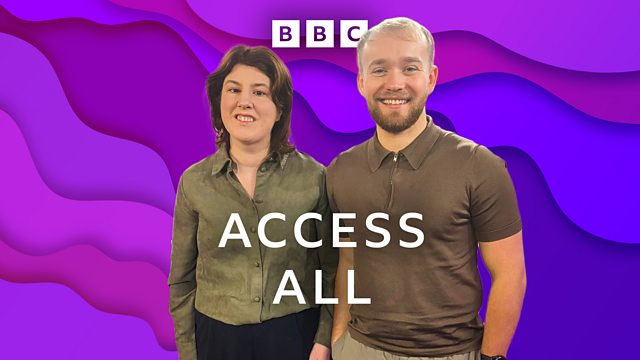
Amputee F3 racer Billy Monger: "You think nothing serious will happen to you"
Formula 3 racer Billy Monger looks back on the crash that changed his life.
Billy Monger's ambition to become a professional racing driver looked like it had come to a serious and tragic end when a crash on the track aged 17 resulted in both his legs being amputated - one above knee, one below.
Talking with Emma Tracey, he looks back at how life changed after the accident, and the challenges he's put himself through since then.
After breaking it to his parents his racing career wasn't over, he was back on the track within months.
Since then he's raced in F3, taken part in 麻豆社 Two's Celebrity Race Across the World and most recently the Iron Man challenge - which is the subject of a new 麻豆社 documentary on iPlayer this week.
PRODUCERS: DANIEL GORDON, ALEX COLLINS
PRESENTER: EMMA TRACEY
EDITORS: BETH ROSE, DAMON ROSE
SOUND RECORDING AND MIX: DAVE O'NEILL
Featured
-
.
Transcript
听
18th March 2025
bbc.co.uk/accessall
Access All 鈥� episode 152
Presented by Emma Tracey
听
听
MUSIC-听听听听听听听听听听听听听 Theme music.
EMMA-听听听听听听听听听听听听听听 Hello, I鈥檓 Emma Tracey, and this is Access All. Now, when racing driver, Billy Monger, was just 17 both of his legs had to be amputated after a Formula 4 crash. He鈥檚 had all manner of adventures since then: Formula 3 racing in an adapted car; Race Across the World with his sister, Bonny; and last October, age 25, he became a record breaking Iron Man. That challenge saw Billy compete in the world鈥檚 most iconic one-day endurance Iron Man competition in Kona, Hawaii. A new documentary, Billy Monger: the Race is On follows Billy during the challenge, which was to raise money for Comic Relief. Take a listen:
[Clip]
BILLY-听听听听听听听听听听听听听听 Am I the right person to do this challenge? Am I capable of doing this?
MALE-听听听听听听听听听听听听听听听 The Iron Man world championships in Kona, Hawaii.
MALE-听听听听听听听听听听听听听听听 One of the biggest, greatest endurance events on the planet.
FEMALE-听听听听听听听听听听 He鈥檚 aiming at the world record for a double leg amputee which, wow, that鈥檚 going to be hard.
MALE-听听听听听听听听听听听听听听听 How are you feeling?
BILLY-听听听听听听听听听听听听听听 Rough.
FEMALE-听听听听听听听听听听 Are you training every day then?
BILLY-听听听听听听听听听听听听听听 Yeah.
MALE-听听听听听听听听听听听听听听听 It鈥檚 a massive inspiration so don鈥檛 f*** it up [laughs].
FEMALE-听听听听听听听听听听 You can see on his face that he鈥檚 nervous.
BILLY-听听听听听听听听听听听听听听 It鈥檚 a hell of a journey, a hell of a journey.
FEMALE-听听听听听听听听听听 He is an incredible human being. I鈥檓 sorry.
BILLY-听听听听听听听听听听听听听听 I鈥檝e never run a marathon. It鈥檚 unknowns still at this point.
FEMALE-听听听听听听听听听听 I always think that he can鈥檛 make me any prouder, but yet again he does.
MALE-听听听听听听听听听听听听听听听 Billy thrives on helping other people, so he knows that the money that gets raised for Comic Relief will help a lot of people.
BILLY-听听听听听听听听听听听听听听 People that need to be the best versions of themselves and to flourish.
MALE-听听听听听听听听听听听听听听听 You will have dark moments.
FEMALE-听听听听听听听听听听 If you get into that dark place you need to talk yourself out of it.
BILLY-听听听听听听听听听听听听听听 There鈥檚 a lot of work to do to try and prove that I can be an Iron Man.
MALE-听听听听听听听听听听听听听听听 Anything鈥檚 possible and Billy is the epitome of that.
FEMALE-听听听听听听听听听听 He commits to this project I think the way he commits to life, like nothing is going to stop him.
MALE-听听听听听听听听听听听听听听听 We鈥檒l pick you up on the way to Kona.
BILLY-听听听听听听听听听听听听听听 A ride to Kona please.
MALE-听听听听听听听听听听听听听听听 No worries. Very good.
[End of clip]
EMMA-听听听听听听听听听听听听听听 That documentary is on iPlayer from 19th March. And listen, I have waited years to get a chat with this guy, and now Billy Monger is in the studio with me. Hi, Billy.
BILLY-听听听听听听听听听听听听听听 Nice to meet you.
EMMA-听听听听听听听听听听听听听听 Nice to meet you too. Tell me, how are you today?
BILLY-听听听听听听听听听听听听听听 I鈥檓 good, yeah.
EMMA-听听听听听听听听听听听听听听 And how is your body now a few months post Iron Man? Because it was in October in Hawaii, and now we鈥檙e early 2025, how鈥檚 your body now?
BILLY-听听听听听听听听听听听听听听 It looks and feels very different because peaking for an event like that, the training regime and everything like that, I鈥檝e never been in better shape. And now I鈥檝e had a few months just to let my body relax, enjoy Christmas period as well, that鈥檚 a factor I think [laughs] everyone can understand. But it鈥檚 feeling good and healthy, which is the main thing.
EMMA-听听听听听听听听听听听听听听 No lasting injuries or anything like that?
BILLY-听听听听听听听听听听听听听听 No lasting injuries. For a few weeks there were a lot of battle scars, let鈥檚 say, but they鈥檝e healed up now.
EMMA-听听听听听听听听听听听听听听 Oh, that鈥檚 really good. And your amputations are different on each side, aren鈥檛 they, so does that make it a bit harder?
BILLY-听听听听听听听听听听听听听听 Yeah, 100%. I mean, when I first got on a set of running blades, it was a few years after my accident, I think it was back in 2019, maybe 2020 I was running basically with different form and technique side to side. So, I鈥檇 have my knee on my right leg, so I was sort of running in a more conventional gait where my leg would sort of follow through in a straight, you know, in line with my body, and my left leg I had to sort of swing around to get it back.
EMMA-听听听听听听听听听听听听听听 So, you were compensating quite heavily on the leg with the knee?
BILLY-听听听听听听听听听听听听听听 Yeah, the leg with the knee has always been my strong leg and it鈥檚 always going to be my strong leg. I have a lot more of a lever there.
EMMA-听听听听听听听听听听听听听听 Well, there鈥檚 a joint there.
BILLY-听听听听听听听听听听听听听听 There鈥檚 a joint there, which makes a huge difference actually in the world of prosthetics. It was still something that even with all the training I did that that imbalance is still there, it just has to be managed. On the bike my bike power, for example, I remember within the first month of starting to train for the Iron Man we got on a proper trainer when I was getting my bike fitted to me, and my power was 90% from my right leg and only 10% was generated from my left.
EMMA-听听听听听听听听听听听听听听 Oh wow.
BILLY-听听听听听听听听听听听听听听 So, it鈥檚 quite significant.
EMMA-听听听听听听听听听听听听听听 Yeah. What were the distances in the Iron Man, before I ask about when you were 17?
BILLY-听听听听听听听听听听听听听听 The distances on an Iron Man, it鈥檚 a 2.4 mile ocean swim, then it鈥檚 112 miles of a bike ride, then a full marathon to finish, so all of those back to back.
EMMA-听听听听听听听听听听听听听听 Wow. I mean, my husband鈥檚 training for a marathon at the moment, that鈥檚 enough for me to see him doing that, and that鈥檚 only one of your three disciplines. Wow. So, let鈥檚 go back to you started off on go-karts when you were a little boy, and you were just absolutely massively into racing, weren鈥檛 you. And then by young teenager you were in Formula 4?
BILLY-听听听听听听听听听听听听听听 Yeah, that was my trajectory. My dad actually bought me my first go-kart when I was two years old, so he was fairly keen to get me into racing and to let me try it because that was something he was quite passionate about. He did a little bit of racing, not looking at it in a professional capacity, more it was just for a bit of fun with his mates on a weekend.
EMMA-听听听听听听听听听听听听听听 But he thought, I鈥檝e got a boy now, here鈥檚 my chance.
BILLY-听听听听听听听听听听听听听听 Exactly. He always tells me the story of when he bought me that first go-kart when I was two, he took me in the front seat of my dad鈥檚 van and the guy who was selling it obviously knew that you shouldn鈥檛 be driving it until you鈥檙e at least seven years old, and he looked in the front window and saw me and said, 鈥業t鈥檚 not for him, is it?鈥� and my dad went, 鈥榊eah, it's for him鈥�. And he went, 鈥楬e can鈥檛 drive that until he鈥檚 seven鈥� and my dad was like, 鈥業 know, I just wanted to get him a go-kart鈥�. I always find that quite entertaining.
EMMA-听听听听听听听听听听听听听听 Right, so you were driving the whole time from when you were a toddler basically is what you鈥檙e saying?
BILLY-听听听听听听听听听听听听听听 Yeah, being around cars was just something that I grew up with.
EMMA-听听听听听听听听听听听听听听 Yeah. And then when you were 17 you had a crash.
BILLY-听听听听听听听听听听听听听听 Yeah, so at that point 17, obviously ten years later, I鈥檇 won a couple of British championships in go-karting and my career, as I was starting to look at it, was going well. I鈥檇 probably say it was when I was about 11 years old that I actually thought racing could be a career for me. And then when I was 17 I had the accident at Donington Park when I was racing in British Formula 4.
EMMA-听听听听听听听听听听听听听听 So, what happened in the car that day?
BILLY-听听听听听听听听听听听听听听 It was any other race day really. Tricky conditions so we were on slick tyres on the grid, I remember that. And then it started to rain which for a driver it鈥檚 the most challenging conditions because it means the track鈥檚 very slippery, you haven鈥檛 got the correct wet tyres on, none of us did, which means you鈥檙e really low grip. And I think it separates the good from the great those sorts of conditions. And it was conditions that actually I really enjoyed driving in because when I was younger my dad sometimes would put me out in the wet on slick tyres on practice days just to really develop that kart control. He鈥檇 heard that Lewis Hamilton鈥檚 dad had done it with Lewis, and I think it is quite common in some of the great drivers that they鈥檝e faced that sort of adversity in practice so that when you get to race day you鈥檙e prepared for whatever.
EMMA-听听听听听听听听听听听听听听 So, you were used to a lot of risk?
BILLY-听听听听听听听听听听听听听听 I was used to a lot of risk. And then the accident itself was just sort of a wrong place, wrong time scenario to be honest. So, the first lap of the race there was an accident up the front. I think I was starting the race about sixth, and then I had to spin off to avoid the front two who had crashed into each other. I managed to get going again but I think I was second to last. And at that point in a way as a driver you kind of almost relax a bit where you鈥檙e like, okay my race has been ruined, that was out of my control, but now it鈥檚 like sort of head down and all you're focused on is just making up as many places as possible before the finish. Which is what I was doing, I actually overtook a car at the corner before my accident. And then in those tricky conditions the driver up ahead, a few places ahead had spun off, but they were sat stationary on the racing line. And this part of the circuit you sort of come up the crest of a hill, I was doing about 120 miles an hour, and the two drivers in front of me that were side by side last minute, one of them goes each side of this stationary car because they have clear vision in front of them. But me travelling at 120 behind two cars side by side didn鈥檛 have the vision to see what was to come.
EMMA-听听听听听听听听听听听听听听 So, you went straight in.
BILLY-听听听听听听听听听听听听听听 Straight into the back of it, yeah.
EMMA-听听听听听听听听听听听听听听 And what do you remember straight after?
BILLY-听听听听听听听听听听听听听听 I鈥檇 say I remember pretty much all of my accident because I was awake, I wasn鈥檛 knocked out or anything like that, I was conscious. But it is all kind of patchy memory wise, it鈥檚 a bit of a blur. I remember coming to a halt, I remember sort of hearing initially the driver that I鈥檇 hit who was stationary obviously he was screaming because he was in a bit of pain, I think he had an issue with his back. And obviously it鈥檚 a horrible reaction, the crash for him as well because he out of nowhere gets hit by a car doing 120. I remember coming to a halt, hearing that noise, the doctors rushing over to the both of us and me saying, 鈥極h I think I鈥檓 all good, go and see him鈥� because at that point you鈥檝e got so much adrenaline going through your body that your body is almost tricking you into thinking you鈥檙e okay. I was almost in my head ready to undo my seatbelts and jump out of the car. But obviously that wasn鈥檛 the scenario. And subconsciously, even though you think you鈥檙e okay, there鈥檚 a lot to deal with.
EMMA-听听听听听听听听听听听听听听 Yeah. And then obviously it wasn鈥檛 that case. You went to hospital, they put you to sleep to sort you out, right?
BILLY-听听听听听听听听听听听听听听 Uh-huh.
EMMA-听听听听听听听听听听听听听听 And then you woke up a few days later without your legs?
BILLY-听听听听听听听听听听听听听听 Yeah. A lot of the big decisions obviously were made with me being in that induced coma, which they put me in when I was still in the car because they were struggling to extract me out of the car.
EMMA-听听听听听听听听听听听听听听 Oh wow, so they put you in a coma in the car?
BILLY-听听听听听听听听听听听听听听 Yeah, they were really struggling with the extraction so they put me into that, so then they could separate the cars and get me secure in an air ambulance ready to go to hospital. And like you say, three days later I think it was, the accident was on a Sunday, I remember my first conversations happened on the Wednesday after where the majority of my surgeries had happened where the doctors had broken the news to my parents and my sister and some of my friends that as a result of the crash I was going to have to lose my legs. And they all dealt with that in their own ways, but obviously it was a huge shock. I think my dad out of them was most affected because I think he felt an element of guilt because he鈥檇 got me into racing. Obviously we were able to address that when I was able to speak to him and tell him, 鈥楢ctually you might have got me into this, but I love racing and I wanted to do this鈥�.
EMMA-听听听听听听听听听听听听听听 And actually I might do it again [laughter].
BILLY-听听听听听听听听听听听听听听 And I might do it again.
EMMA-听听听听听听听听听听听听听听 So, how did you deal with it?
BILLY-听听听听听听听听听听听听听听 Well, I鈥檇 had racing crashes before. It鈥檚 inevitable in the sport. When I was nine years old, before I鈥檇 won my first British championship, I鈥檇 broken my wrist in two places flipping the car. You kind of know you鈥檙e doing something where there鈥檚 risk attached to it, you鈥檙e not na茂ve to it; but in a weird way you are na茂ve to it because you think that nothing serious is ever going to happen to you. But because I鈥檇 had previous crashes before I knew this one was more significant. I remember being in the car, I remember doctors coming up to me, me saying to them to go and see the other driver involved. And then within a few minutes obviously me starting to realise I couldn鈥檛 get out of the car and undo my seatbelts like I thought I would. And the doctors鈥� faces, I can remember seeing their faces, that look of panic and concern of oh my god, this is serious, what are we going to do. And then they were trying to extract me out of the car. That didn鈥檛 work so they had to put me into the coma. Just all those little micro reactions that I could see on their faces in those moments told me that things were probably slightly worse than maybe the other crashes that I鈥檇 had before. So, as much as it was a shock when I woke up and I was a double amputee, in a weird kind of way it wasn鈥檛 like this thing that I could completely have never expected. I don鈥檛 know why that is but that did give me a slight bit of reassurance in that moment that I think subconsciously I knew it was serious.
EMMA-听听听听听听听听听听听听听听 Well, how did you deal with having no legs?
BILLY-听听听听听听听听听听听听听听 I mean, it鈥檚 a huge shock to your system. I was 17, I turned 18 in hospital, you鈥檙e at a huge stage of your life where you鈥檙e going from being a teenager to a young adult, you鈥檙e looking for that independence. And all of a sudden my life gets changed, I don鈥檛 know what things are going to look like, I don鈥檛 know what my day-to-day is going to be and how reliant am I going to be on other people. There are a lot of things going through your mind.
EMMA-听听听听听听听听听听听听听听 And what were the first few months like?
BILLY-听听听听听听听听听听听听听听 The first few months were tough. I was in hospital for five weeks, so the first five weeks were just basically about getting through that hospital period. There were obviously a lot of horrible moments being in hospital too, like the amount of blood that I had to get given. I think I lost it was about ten litres I believe of blood, so I had obviously a lot of blood transfusions.
EMMA-听听听听听听听听听听听听听听 So, there was a lot of health stuff to deal with as well as the actual physical not having all of your legs?
BILLY-听听听听听听听听听听听听听听 Yeah, of course. The legs it鈥檚 an obvious injury, the surgeries you knew what the situation was with that. But all of the other stuff, I remember having a lot of sleepless nights in hospital because I had a big fever and I was struggling to get sleep, and just waking up in a pool of sweat. There was a lot to deal with in those early weeks.
EMMA-听听听听听听听听听听听听听听 So, after that when the main thing was the fact that you were a double amputee, how did you get back into life? What were things like at home etc?
BILLY-听听听听听听听听听听听听听听 We started to speak to people about getting the house ready for me being in a wheelchair. We live in quite an old house so it鈥檚 not really all on a flat, level surface. I was living, my bedroom was upstairs, so there were a lot of things to consider. So, my dad would go back at weekends, get help from his mates that were tradesmen and stuff like that, and they basically changed the whole house: they put ramps in where we had steps; they put my bedroom downstairs on the ground floor; the bathroom that was downstairs that wasn鈥檛 suitable for me they made into a wet room so that I could basically operate and have a space in the house that would work for me being in a wheelchair and given my situation.
EMMA-听听听听听听听听听听听听听听 They clearly didn鈥檛 know you were going to end up running a marathon in Hawaii.
BILLY-听听听听听听听听听听听听听听 I don鈥檛 think they would have probably thought that was going to be a thing back then yeah, [laughter]. This is a few years ago. But they did all that stuff just to give me as much ease as possible, to make things as easy for me when I got home, which was really appreciated on my behalf.
EMMA-听听听听听听听听听听听听听听 You got back to everything so, so quickly, which we will talk about in a second. But did all this ever catch up with you? Because all the stuff I鈥檝e read is just like I went straight back in to try and get into racing, then I did this, then you did that, and it was always very cheerful. How did your body and mind, does it take years to recover? How did you cope with that journey? Because you just seem to have gone from one thing to another.
BILLY-听听听听听听听听听听听听听听 Yeah, I think definitely keeping myself busy and finding things that I wanted to still go on and do was something that I found hugely important. And that鈥檚 where sport came into things for me because I鈥檝e always been a competitive sporty person, and that hadn鈥檛 changed just because I鈥檇 lost my legs. So, for me it was just trying to find in those early stages a lot of things that I felt reflected that I was the same person that I was before my accident, but just now I was in a situation where I was a double amputee. That鈥檚 why going back to me was such a pillar in my recovery because when I digested the fact, spoke to my mechanics and my engineers who came up to see me in hospital and we got chatting, and I heard about other role models and people, like Alex Zanardi who was someone who became a double amputee as a result of a racing crash and went on to compete and race again, it just opened my mind up to the fact that don鈥檛 rule anything out, everything could still be possible. And I think that mindset was really important for me; it helped spur on my physical recovery in those days where my body did feel really weak and where the medication that I was on was weighing me down a bit, that made a difference.
MUSIC-听听听听听听听听听听听听听
EMMA-听听听听听听听听听听听听听听 This is Access All, the 麻豆社鈥檚 disability and mental health programme. I鈥檓 Emma Tracey, and I鈥檓 chatting to Billy Monger, the Formula 3 racing car driver who lost his legs in a racing car accident:
听听听听听听听听听听听听听听听听听听听听听听听听听听 But then you were introduced to prosthetics. Obviously you had the house set up for if you weren鈥檛 able to use them. Another part of your recovery and another part of getting used to things and finding out that there are bits of you that are different is getting used to the prosthetics. Tell me about that, and have you become quite geeky about them because you鈥檝e got a lot of the different ones now.
BILLY-听听听听听听听听听听听听听听 Yeah, particularly after doing this Iron Man training for the last year, the amounts of sets of sockets and legs I鈥檝e got at my house has gone to a whole other level [laughter]. I鈥檝e just got spare prosthetic bits everywhere and there鈥檚 not enough room to put them all. Prosthetics has obviously been important to get me back up on my feet, and it鈥檚 allowed me, having the prosthetics that I have now, to go on and do all this cool stuff. It wouldn鈥檛 be possible without those prosthetics. I do really get involved in that process now. I think the last year of training for the Iron Man particularly honed me in on my relationship with prosthetics. People think prosthetics are a one size fits all, but it鈥檚 so individual to each person. I think I鈥檝e gone on a bit of a discovery process with my prosthetist, Steve at Dorset Orthopaedic, he鈥檚 been super important for me. Because the training for an Iron Man is one thing, getting up and doing all the training that鈥檚 in a way the easy bit of all of the process is doing the training. But for me being a double amputee some days I was getting up in the early stages and my prosthetics weren鈥檛 fitting right and we needed to make quick changes so that I didn鈥檛 miss out on weeks and weeks of training. And as a result of being a prosthetic user sometimes you get sores on your stumps, and there were a lot of things that we had to consider and we were making lots of changes, which have ultimately got us to the point where I could take on the Iron Man and feel confident that my body was going to be able to hold up.
EMMA-听听听听听听听听听听听听听听 What sorts of different prosthetics and prosthetic bits do you use on the regular now?
BILLY-听听听听听听听听听听听听听听 The legs that I walked in today on, they鈥檙e my legs that I use day to day.
EMMA-听听听听听听听听听听听听听听 Tell me about them?
BILLY-听听听听听听听听听听听听听听 So, these are just fundamentally just prosthetics. I have on my left leg, where I don鈥檛 have a knee, a microprocessor knee, which is a very fancy bit of kit which does a lot of clever stuff to stop me, if I catch my toe on a ramp or on a pavement, it helps me to not stack it, it helps to give me a bit of stability.
EMMA-听听听听听听听听听听听听听听 And do you have to plug that in at night then?
BILLY-听听听听听听听听听听听听听听 Yeah.
EMMA-听听听听听听听听听听听听听听 Has it got a USB in it?
BILLY-听听听听听听听听听听听听听听 Yes, it鈥檚 got a charging port on the back. Normally, to be fair, the battery life lasts about four or five days. So, sometimes you get into the habit of charging it most nights.
EMMA-听听听听听听听听听听听听听听 I was going to say, have you ever forgotten to charge it?
BILLY-听听听听听听听听听听听听听听 I have forgotten to charge it on a couple of occasions.
EMMA-听听听听听听听听听听听听听听 Does it still work?
BILLY-听听听听听听听听听听听听听听 It seizes up if you don鈥檛 charge it, and it makes a beeping noise. Which I discovered for the first time actually as I was walking into an exam hall back in 2018, literally about to walk in and my leg just started randomly beeping, and then I wasn鈥檛 able to walk on it properly.
EMMA-听听听听听听听听听听听听听听 Okay, so you鈥檝e had the same sort of leg since the beginning then, the microprocessor?
BILLY-听听听听听听听听听听听听听听 Yeah, these have stayed very similar in terms of the components. The sockets and the fitting to me, which is the individual part of using prosthetics, that鈥檚 the thing that changes on quite a regular basis that me and Steve have had to go into quite a lot as my body changed throughout the last year through training for the Iron Man. I also have short stubbies, they鈥檙e called, which I use for the gym so that I can lift weights on and they give me more stability. The centre of gravity you鈥檙e a lot lower so it鈥檚 easier to stabilise, so doing lower body strengthening exercises like dead lifts and power clings, exercises that I do in the gym鈥�
EMMA-听听听听听听听听听听听听听听 That鈥檚 all gibberish to me, by the way [laughs].
BILLY-听听听听听听听听听听听听听听 Yeah, it is for a few people.
EMMA-听听听听听听听听听听听听听听 I know what you mean, lift and raise and stuff like that.
BILLY-听听听听听听听听听听听听听听 Yeah, anything lifting weights is where I use those prosthetics. And also I effectively call those my slippers, so if I鈥檓 walking around the house, because they鈥檙e a lot lighter and a lot smaller usually you use less energy using them around the house. Sometimes I鈥檓 walking around the house and I鈥檓 a foot shorter.
EMMA-听听听听听听听听听听听听听听 What do they look like?
BILLY-听听听听听听听听听听听听听听 My prosthetics I鈥檝e always from day one gone for a carbon fibre look. I know a lot of people, again it鈥檚 very individual, some people like prosthetics that look more like real legs, and with the stuff that鈥檚 out there now people can design them to make them look like actual legs. But for me it鈥檚 always been, like people knew I was an amputee after my accident, and I don鈥檛 really want to hide that away so I like a bit of carbon fibre as well. So, I make them look carbon fibre cool and I just wear them out.
EMMA-听听听听听听听听听听听听听听 Okay. Did you have two different prosthetics for the Iron Man? Because we will start talking about that now [laughs].
BILLY-听听听听听听听听听听听听听听 Yeah.
EMMA-听听听听听听听听听听听听听听 Cycling ones I鈥檇 imagine?
BILLY-听听听听听听听听听听听听听听 Yeah, I had cycling prosthetics specifically for cycling, so those had little clips on the feet to allow me to clip in and out of the pedals. And then the running blades as well which are to do the marathon on. They鈥檙e basically big springs that are designed to keep you building up a bit of speed and momentum. It makes a big difference.
EMMA-听听听听听听听听听听听听听听 But obviously in Hawaii where you did the Iron Man it鈥檚 really, really hot. We actually did a piece last year where people were preparing for the Paralympics and they were going into heat chambers, because it鈥檚 quite different when you鈥檙e an amputee.
BILLY-听听听听听听听听听听听听听听 Yeah.
EMMA-听听听听听听听听听听听听听听 You sweat differently, don鈥檛 you, and you have to do different things to cope with that. What did you do to manage the heat?
BILLY-听听听听听听听听听听听听听听 That was again during the process of preparing for Hawaii I went and spent ten days down in a heat chamber down in Christchurch with the guys that were providing me nutrition support as well. They鈥檇 just built this heat chamber and they basically offered it to me for ten days, so I went in there and did a full heat acclimation programme with them, which means spending about an hour and 15 minutes each day in this heat chamber.
EMMA-听听听听听听听听听听听听听听 How hot?
BILLY-听听听听听听听听听听听听听听 It started off the day one I thought it was hot enough, it was 38 degrees.
EMMA-听听听听听听听听听听听听听听 Oof!
BILLY-听听听听听听听听听听听听听听 And by the end it was about 42 degrees.
EMMA-听听听听听听听听听听听听听听 Ah!
BILLY-听听听听听听听听听听听听听听 And I was going in there for an hour and a quarter, basically getting on the bike and cycling for an hour and a quarter in those conditions. And let me tell you, that absolutely wipes your energy out.
EMMA-听听听听听听听听听听听听听听 I bet. And what happens, especially when you鈥檙e out training, so you鈥檙e cycling on the road and you鈥檙e running on the road, what happens when you sweat? What do you have to do? Like, do you have a problem during your marathon, do you have to stop and deal or do you just run through the pain and the discomfort and deal with it after?
BILLY-听听听听听听听听听听听听听听 Again, me and Steve, who looks after my prosthetics, we had a lot of discussions about this because it is quite a common thing. I remember even working away in hot countries with my walking legs, you go on planes and I remember my legs swelling up a little bit. And sometimes your sockets can go from fitting really well to not fitting you at all and being really uncomfortable just from being in a hotter climate. So, it was something that throughout the process, because I was training in the UK we were like, we need to find out what happens when you鈥檙e in heat and work out how we鈥檙e going to combat that. Steve initially thought that I would have to take my running blades off every 10kms on the marathon to pour any sweat out that was in the sockets, wipe the material down and dry it off.
EMMA-听听听听听听听听听听听听听听 It鈥檚 so glamorous, isn鈥檛 it?
BILLY-听听听听听听听听听听听听听听 It鈥檚 not very glamorous at all [laughs]. At that point in time I was thinking to myself throughout the process, I鈥檓 going to be like nine, ten hours into this challenge probably, and the idea of having to stop when my body鈥檚 probably, I didn鈥檛 know how much it would be hurting but I knew it would be hurting quite a bit to be fair, and the idea of having to stop to clean my legs out to then go again was something that didn鈥檛 really sit well with me. I was like, I really don鈥檛 want to have to give myself the option of being able to stop; I want to be able to just be like right, I鈥檓 just doing this.
EMMA-听听听听听听听听听听听听听听 So, what did you do instead then?
BILLY-听听听听听听听听听听听听听听 It鈥檚 called a boa system, which I used particularly on my left leg because that鈥檚 the one where I get a lot of fluctuation in terms of the size of my stump. It鈥檚 a very similar system to what some people have on cycling shoes where you can basically twist this little lever and it pulls a set of cables tighter, and it tightens the shoe onto your foot. We put that system in place on my prosthetic, so I had a prosthetic that when I got up in the morning and I started doing training it fitted me really well, and eventually as I got throughout a session and maybe an hour into a run, and it would get a bit looser, I would be able to turn this lever and tighten the socket, so basically adapt it to me coming down in size as I was going throughout the process. And that allowed it to feel secure, stay on me, and we were able to do the marathon and all of the Iron Man without having to stop at all for that.
EMMA-听听听听听听听听听听听听听听 Okay. I was imagining a little pump thing that would pour out the sweat for you, but no.
BILLY-听听听听听听听听听听听听听听 No.
EMMA-听听听听听听听听听听听听听听 It just tightened it up so that it felt more comfortable. I mean, the other reason why you didn鈥檛 want to stop, I鈥檓 reckoning, Billy Monger, is because you wanted to break a record.
BILLY-听听听听听听听听听听听听听听 Yeah.
EMMA-听听听听听听听听听听听听听听 Because that鈥檚 just what you鈥檙e like, right, you鈥檙e competitive, yeah?
BILLY-听听听听听听听听听听听听听听 [Laughs] yeah.
EMMA-听听听听听听听听听听听听听听 So, how long was the Iron Man and how much did you break the record by?
BILLY-听听听听听听听听听听听听听听 So, the Iron Man took me I think it was 14 hours 23 minutes, and some change. And the world record for a double amputee at the time was just under 16 and a half hours, so I broke it by I believe just over two hours.
EMMA-听听听听听听听听听听听听听听 Wow. How did that feel?
BILLY-听听听听听听听听听听听听听听 I mean, completely blew my expectations out of the water. I was training for a year, and me and my trainers we鈥檇 felt confident that I was physically in a really good place, like I鈥檇 had minimal injuries throughout the year of training and it had all gone fairly well, all things considered. But that record, it鈥檚 a record for a reason, and there had been multiple double amputees that had attempted to break the world record in Hawaii. I think about five or six amputees had attempted the race and only one of them had been able to finish within the 17-hour time cap. If you don鈥檛 finish in 17 hours you鈥檙e classed as not an Iron Man. You complete the event, you might be able to get your medal, but you don鈥檛 get the words spoken out that you are an Iron Man.
EMMA-听听听听听听听听听听听听听听 Why did you get into these endurance challenges alongside your racing? What was the urge?
BILLY-听听听听听听听听听听听听听听 When COVID happened and my racing programme for that year was put on halt and everything came to a stop and I knew I wouldn鈥檛 be racing in 2020 I basically started eating what I wanted, I didn鈥檛 really care about training. And that probably went on for the first two or three months in lockdown. I remember looking at myself thinking, come on Bill, you鈥檙e better than this, you need to look after your body, it's important. So, I started training at home in a gym, and I started training knowing that I wasn鈥檛 racing, but just training.
EMMA-听听听听听听听听听听听听听听 For something to do.
BILLY-听听听听听听听听听听听听听听 For something to do. And I fell in love with the process of actually getting better and feeling better within myself. That was a huge turning point for me.
EMMA-听听听听听听听听听听听听听听 Was that good for the mental health as well?
BILLY-听听听听听听听听听听听听听听 Yeah, massively good for my mental health. Again, it was just like the physical and mental benefits you get from looking after your body are not to be underestimated. Yeah, it started there and then it escalated to Comic Relief approached me to do this challenge. And my trainer at the time he said to me, 鈥業 think this would be really good for you to have a goal to focus on, and also to feel like, even though 2020 has been a year where we haven鈥檛 been able to do a lot on the track together, you鈥檇 still feel like you鈥檝e achieved something鈥�. So, I went and did this challenge for Comic Relief.
EMMA-听听听听听听听听听听听听听听 And you haven鈥檛 stopped since [laughs].
BILLY-听听听听听听听听听听听听听听 And it definitely unlocked something in me.
EMMA-听听听听听听听听听听听听听听 Yeah. So, will you keep it up then? What鈥檚 next, the Paralympics I hear there鈥檚 some talk of?
BILLY-听听听听听听听听听听听听听听 Yeah, potentially. To be honest, like I said, the last few months I鈥檝e just kind of been embracing not having to do 20-hour training weeks and having a bit more of a relaxed mindset to things. Because training that intensely for such a long period of time it does take it out of you, and sometimes you just feel you need a break.
EMMA-听听听听听听听听听听听听听听 You鈥檙e not a machine, Billy Monger.
BILLY-听听听听听听听听听听听听听听 I鈥檓 not a machine, so I鈥檝e had my break and I鈥檓 just starting to get back into things. Which is always the hardest step I find is that when you do take a break from whatever it is, the first time going back to the gym, the first time going for a run, always feels so difficult.
EMMA-听听听听听听听听听听听听听听 Yeah.
BILLY-听听听听听听听听听听听听听听 But I鈥檓 starting just going through that process now, and who knows what that thing will look like in the future.
EMMA-听听听听听听听听听听听听听听 What would you compete in in the Paralympics?
BILLY-听听听听听听听听听听听听听听 The enjoyment that I got from doing the three disciplines in the Iron Man, I think para triathlon would be something that would intrigue me the most.
EMMA-听听听听听听听听听听听听听听 Ooh, you heard it first lads.
BILLY-听听听听听听听听听听听听听听 Yeah, you did.
EMMA-听听听听听听听听听听听听听听 Well, you can watch the documentary, Billy Monger: The Race is On, when Red Nose Day returns on 21st March. I鈥檒l definitely be watching. Billy Monger, thank you so much for joining me on Access All.
BILLY-听听听听听听听听听听听听听听 Thank you.
Podcast
Get the latest episodes of the Access All podcast the moment a new episode goes live!
Podcast
-
![]()
Access All: Disability News and Mental Health
Weekly podcast about mental health, wellbeing and disabled people.

Related Content