Room to Write - 3 Lessons
Room to Write was a scheme run by 麻豆社 Scotland Comedy and 麻豆社 Writersroom to develop the next generation of Scottish Comedy writing talent. Kim MacAskill sums up the experience in 3 lessons.

Editor's Note: was a new 麻豆社 Comedy and 麻豆社 Writersroom initiative, to select a group of comedy writers to work with 麻豆社 Scotland鈥檚 Comedy Production team and each other, in creating the next wave of Scottish comedy shows.
Kim MacAskill sums up what she learnt from Room to Write and passes on some great advice in 3 Lessons.
Someone once told me that to be a great comedy writer, you would need to have the following:
鈥� A sense of humour
鈥� Final Draft
鈥� A penis
has taught me more about comedy writing than any course, event or master class that I have ever paid to attend. From this, I鈥檇 like to tell the aforementioned 'Someone' to shove their third suggestion up their second suggestion and develop their first one.
I鈥檇 studied years in Script Development at the , sweated under every opportunity, aimed to master the structure of comedy trends across the ages and endured sleepless nights as I tried to work out what production comedies wanted in a writer. Walking in to my writer collective, I expected a 鈥榃rite hard or die hard鈥� attitude. I expected writers that drank coffee and smoked in absence of a hope to live long. You know, like the way .
I was wrong.
Of all the thousands who entered this scheme, there were few who were accepted and even fewer who were alike. There were authors, students and comedians. One of us is even a farmer. Jim 鈥� he鈥檚 mental. The years of giving my absolute all to be noticed should have felt criminal to the soul but it wasn鈥檛. In fact it was educational. Instead, the Room to Write Collective were made of something far more interesting and intriguingly raw.
They were funny.

LESSON ONE: Funny can鈥檛 be learned, bought or faked.
This, as obvious as it may seem was the most important lesson. You can write the most polished, wonderfully visual script imaginable but if it is not funny then it is not comedy. Some people wrote their scripts in a flawless Final Draft format while others wrote theirs in Microsoft Word with font size 16. Judgemental? More fool you. Let me tell you what happened next鈥�
In December 2014, the writers were asked to do something I鈥檇 never done before.
Read out our own work.
As a writer, I picture , , , or to read out my characters. They are effortless in their acting talents and have the confidence to pull it off. Truth is, I rarely hear my own voice in my writing and with two producers, one professional writer and 21 aspiring writers listening, the lesson hit home i.e if no one laughs, then the problem is not your script format, acting skills or experience. It鈥檚 what you put on that paper.
In case you鈥檙e wondering, my voice sounded nervous and sweaty. It鈥檚 hard to picture how a voice can sound sweaty but I think I nailed it.

LESSON NUMBER TWO: Vision Vs Draft
Like many, my writer鈥檚 ego comes in three well-known stages e.g crap, genius, crap-genius. doesn鈥檛 leave any stage wanting.
Behold:
鈥� Challenge 5! Write your episode
鈥� I write my full episode.
鈥� Mood state: Proud.
鈥� Feedback: Good. Needs work.
鈥� Mood state: Accepting.
鈥� I write my redraft.
鈥� Mood State: Tired.
鈥� Feedback: Oh no. Kim, what have you done? This is way worse.
鈥� Mood State: Alcohol.
I鈥檝e had plenty of rejections. In fact, in my Hotmail folder (yes, I鈥檝e been writing that long) I kept a 鈥楻ejection Folder鈥� to remind me of every time I was rejected so that when I 鈥榤ade it鈥�, I could look back on it and share it with other aspiring writers. That folder has since been deleted鈥ith fire. Getting back to my point. The feedback from Room to Write is different. It wasn鈥檛 about what was 鈥榠n鈥� right now or structural concerns (Every script editor鈥檚 cop out ever) it was knee-deep in my story and in my characters. In a few days time, I finally saw everything that my editor saw. He was 100% right. He read my work and he understood what it wanted to be and how to get it there.
To summarize this lesson, you can have a vision of how your sitcom looks, but sometimes (and in my case) it can over cloud the reality that your script might be a few drafts behind your vision. That is the curse of a writer and having a wonderful Script Editor is the powerful magnet between both worlds trying to force them together. In short, your script editor is like Jesus and will die for your sins over and over鈥� so be nice to them.
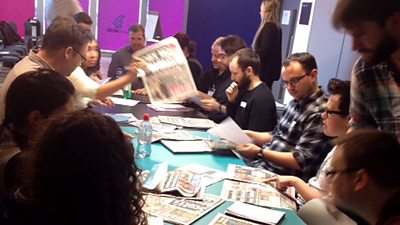
LESSON THREE: Write a 1 minute piece of comedy.
Think it鈥檚 easy? So did I. Try it and when you do, make sure that it is the best possible minute you could ever write in your puff. Now read it out and time it.
1 minute 30 seconds.
Is that because you can鈥檛 speak fast enough or the law of physics is aggressively against your sense of humour? Cut or kill. Room to Write will make sure you fear neither.
The Room to Write experience champions their writers in all their nervous, socially awkward glory. If you weren鈥檛 accepted this time round then please apply again. No matter how experienced or inexperienced you think you are, you are always learning in this game.
Room to Write has taught me more about comedy writing than comedy鈥nd writing鈥nd all the expensive script softwares that I invested in to look cool.
**Note to editor. Please don鈥檛 write this in Comic Sans. I鈥檓 not quite that ready yet.
(from the Room to Write submissions)
Latest blog posts
More blog postsSearch by Tag:
- Tagged with Blog Blog
- Tagged with Room to Write Room to Write
- Tagged with Comedy Comedy
- Tagged with 2015 2015